Apartment Dog Training: Raise a Well-Behaved Dog in Small Spaces
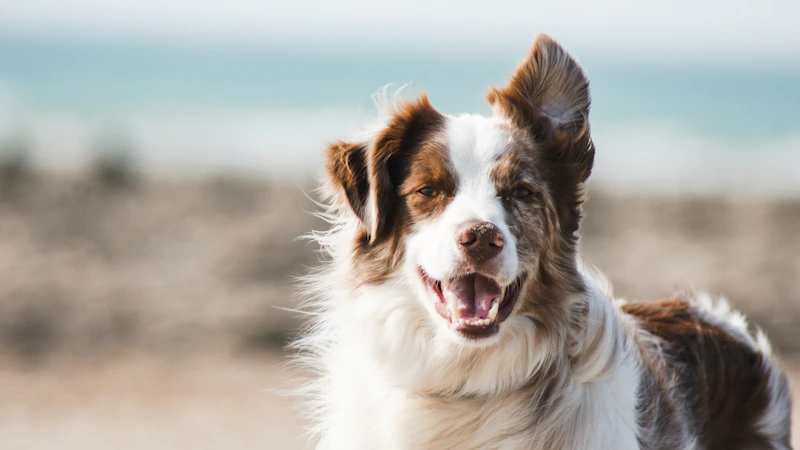
Living in an apartment with a dog might seem challenging, but it's entirely possible to raise a well-behaved, happy, and healthy canine companion in a smaller space. The key isn't necessarily a sprawling backyard, but rather a dedicated owner who understands their dog's needs for physical activity, mental stimulation, consistent training, and a predictable routine. With a force-free, science-based approach, you can ensure your apartment dog thrives, proving that happy homes come in all sizes.
Maximizing Movement: Indoor Exercise for Apartment Dogs
Don't let the lack of a yard fool you – there are plenty of creative ways to keep your dog physically active indoors. While outdoor walks are essential, supplementing with indoor exercises can help burn energy, especially on rainy days or when time is short. Focus on short, engaging bursts of activity. A long hallway can become an excellent track for a game of fetch with a soft toy or ball, just be mindful of slippery floors and potential noise for neighbors below. For dogs with good joint health, supervised stair climbing can be a fantastic workout; start with just a few steps and gradually increase as your dog builds stamina. A flirt pole (a wand with a lure on the end) can provide an intense, controlled chase game, mimicking prey drive and burning energy quickly. Active tug-of-war, with clear rules like "drop it" and "take it," is another great option that builds your bond. You can also set up a simple indoor obstacle course using household items like cushions to jump over or tunnels made from blankets over chairs. Always prioritize your dog's safety, ensuring non-slip surfaces and avoiding over-exertion, especially for puppies, seniors, or dogs with health concerns.
Potty Protocols: Establishing a Reliable Schedule
A consistent and frequent potty schedule is paramount for apartment dogs, particularly puppies or newly adopted adults. The absence of immediate backyard access means you must be proactive in taking your dog outside. For puppies, expect to go out every 1-2 hours initially, immediately after waking up, after eating or drinking, and after playtime. Adult dogs will typically need to go out at least 3-5 times a day, including first thing in the morning, last thing at night, and several times throughout the day. Establish a designated potty spot outside and always take your dog to that same area. Train a "potty on cue" command (e.g., "Go Potty") by saying the cue as your dog is eliminating, then immediately rewarding them with a high-value treat and praise as soon as they finish. This helps them associate the command with the action. If accidents happen indoors, clean them thoroughly with an enzymatic cleaner to remove odors that might attract your dog back to the same spot. Never punish your dog for accidents; instead, calmly clean up and review your schedule to identify where improvements can be made. Potty pads can be a temporary solution for emergencies or very young puppies, but the ultimate goal should be consistent outdoor elimination.
Quiet Companions: Tackling Barking in Shared Spaces
Barking is a common concern for apartment dwellers, but it's manageable with patience and the right force-free strategies. First, identify the triggers: Is it the doorbell, hallway noises, people passing by the window, or sounds from neighbors? Once you know the triggers, you can employ management and training. For visual triggers, close blinds or use window film. For auditory triggers, try white noise machines, classical music, or a "dog-specific" calming playlist to mask sounds.
Training a "Quiet" cue is highly effective. When your dog barks, let them bark a few times, then interrupt the barking with a novel sound or by presenting a high-value treat near their nose. The moment they stop barking to sniff or look at you, mark the silence with a verbal marker like "Yes!" or a clicker, and reward them. Repeat this, gradually increasing the duration of silence required before the reward. For persistent triggers, use desensitization and counter-conditioning. Play recordings of the trigger sound (like a doorbell) at a very low volume, below your dog's reaction threshold. As the sound plays, continuously feed your dog high-value treats. Stop the treats when the sound stops. Gradually increase the volume over many sessions, always keeping your dog calm and below their barking threshold. This teaches your dog to associate the trigger sound with positive things, rather than alarm.
Brain Games: Essential Mental Stimulation
Mental exercise is just as crucial as physical exercise, and for many dogs, it can be even more tiring! Apartment living provides an excellent opportunity to incorporate regular brain games into your dog's routine. Puzzle toys and treat-dispensing toys like KONGs, West Paw Toppls, or snuffle mats are fantastic for engaging your dog's mind, providing a productive outlet for their natural foraging instincts, and keeping them occupied. Fill KONGs with wet food, peanut butter, or yogurt and freeze them for a longer-lasting challenge.
Scent work is another powerful tool. Start with simple "Find It" games by hiding treats around the apartment and encouraging your dog to sniff them out. As they get better, increase the difficulty by hiding treats in more challenging spots. Trick training is also incredibly enriching. Teach your dog fun tricks like "spin," "weave between your legs," "touch" (targeting your hand), or "bow." Short, frequent training sessions (5-10 minutes, 2-3 times a day) are more effective than one long session and can be done anywhere. These activities not only provide mental stimulation but also strengthen your bond and build your dog's confidence, making them a calmer, happier apartment dweller.
The Outdoor Advantage: Making Every Walk Count
While we've focused on indoor solutions, outdoor walks are non-negotiable for apartment dogs. However, don't view them merely as potty breaks. Every walk is an opportunity for exploration, mental stimulation, and training. Prioritize "sniffaris" – walks where your dog is allowed ample time to sniff and explore their environment. Sniffing is incredibly enriching and mentally fatiguing for dogs, tapping into their primary sense. Vary your walking routes to expose your dog to different sights, sounds, and smells, preventing boredom and building their confidence in various environments.
Use walks as training opportunities to reinforce loose-leash walking, practice polite greetings with other dogs and people (if appropriate and safe), and work on recall in a controlled setting. If your dog enjoys the company of other canines, consider controlled socialization opportunities like doggy daycare, structured playgroups, or playdates with known, friendly dogs. Always ensure interactions are positive and supervised. By making the most of your outdoor excursions, you're providing a vital component of a well-rounded life for your apartment dog, keeping them physically fit, mentally engaged, and socially fulfilled.
Science-Based Training — Brain Training for Dogs →
Frequently Asked Questions
Absolutely! A dog's happiness in an apartment isn't determined by size, but by their exercise needs, training, and the owner's commitment. Many large breeds are quite content with a good routine of walks, indoor play, and mental stimulation.
Start with very short absences and gradually increase duration, always ensuring your dog is calm before you leave and when you return. Provide engaging enrichment like frozen KONGs, and consider professional help from a certified force-free trainer for severe cases.
Management is key: block visual access with blinds or window film. Then, use desensitization and counter-conditioning by pairing low-level trigger sounds with high-value treats to change their emotional response, gradually increasing exposure.