Australian Shepherd Training: Managing Energy and Intelligence
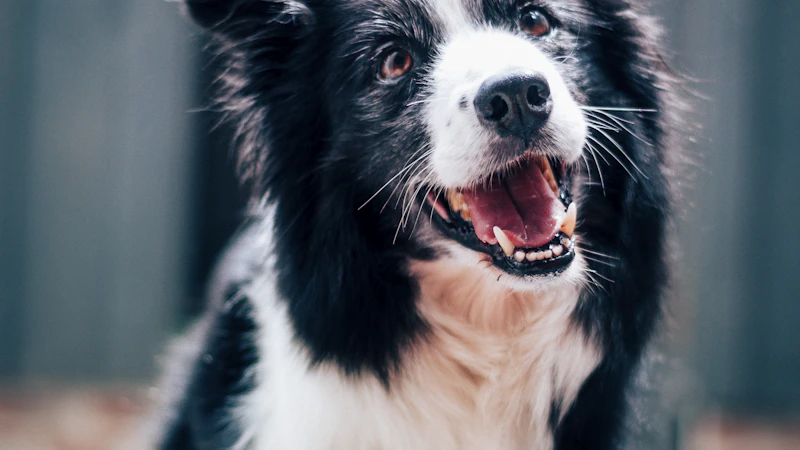
The Australian Shepherd, with its striking eyes and intelligent gaze, is a breed that captivates many. But beneath that beautiful coat lies a powerhouse of energy, intelligence, and herding instinct. If you've welcomed an Aussie into your home, you've signed up for an incredibly rewarding journey, but one that demands understanding, dedication, and a commitment to science-based, force-free training. This article will guide you through managing their unique blend of energy and smarts, ensuring a happy, well-adjusted companion.
Understanding the Aussie Temperament: More Than Just a Pretty Face
Originating as working dogs bred to herd livestock in the American West, Australian Shepherds possess an innate drive to work and problem-solve. This heritage defines much of their temperament: they are incredibly intelligent, highly energetic, loyal, and sensitive. They thrive on having a "job" and being an active participant in their family's life. Without adequate physical and mental stimulation, an Aussie can quickly become bored, leading to undesirable behaviors like destructive chewing, excessive barking, or even nipping at heels in an attempt to "herd" family members or other pets. They are not a breed for a sedentary lifestyle; their well-being is intrinsically linked to regular engagement and activity.
Foundation Training: Building Blocks for Success
Starting with a strong foundation is paramount for an Australian Shepherd. Their intelligence means they pick up on cues quickly, but it also means they can learn unwanted behaviors just as fast. Our approach is always positive reinforcement, rewarding desired behaviors to encourage their repetition.
- Early Socialization: This is non-negotiable. Expose your Aussie puppy (once fully vaccinated) to a wide variety of sights, sounds, people, and other well-socialized dogs in a positive and controlled manner. Puppy classes are an excellent resource. Proper socialization helps prevent fear-based reactivity and builds confidence.
- Basic Obedience: Cues like "sit," "stay," "come," "down," and "leave it" are crucial. Practice these in various environments, gradually increasing distractions to build reliability. Use high-value treats and praise to make training fun and rewarding.
- Loose-Leash Walking: Aussies have a natural drive to move and explore. Teach them to walk politely on a leash from day one using positive reinforcement. A front-clip harness can be a valuable tool to manage pulling without causing discomfort or pain. Avoid retractable leashes, which teach dogs to pull.
- Reliable Recall: A solid "come" cue is potentially life-saving for a breed with a strong prey drive and desire to roam. Practice in a safe, enclosed area, starting with minimal distractions and gradually increasing the challenge. Reward heavily with their favorite treats or toys every single time they return to you.
Channeling That Energy: Physical Exercise Strategies
An Australian Shepherd's energy levels are significant. Mere walks around the block often aren't enough to satisfy their physical needs. Think quality and quantity when it comes to exercise.
- Beyond the Walk: Incorporate activities like running, hiking, swimming, or vigorous games of fetch or frisbee. Many Aussies excel at retrieving and love to chase. Aim for at least 1-2 hours of dedicated, higher-intensity activity daily, often broken into multiple sessions.
- Structured Play: Turn play into a training opportunity. Practice recalls during fetch, incorporate "stays" before releasing them for a frisbee toss, or teach them to weave between your legs. This combines physical exertion with mental engagement.
- Mental Stimulation as Exercise: Don't underestimate the power of brain games. A long sniff walk, where your dog is allowed to follow scents at their own pace, can be just as tiring as a physical run. Puzzle toys, KONGs stuffed with treats, and scent work (nose work games) engage their minds and burn energy.
Harnessing Their Intelligence: Mental Enrichment and "Jobs"
An Aussie's intelligence is a gift, not a burden. Providing outlets for their sharp minds is just as important as physical exercise. They thrive when given a purpose.
- Advanced Obedience and Tricks: Once basic obedience is solid, move on to more complex cues or stringing behaviors together. Teach fun tricks like "spin," "weave," "take a bow," or even practical ones like "find your leash" or "put your toys away." This keeps their minds active and strengthens your bond.
- Dog Sports: Australian Shepherds are natural athletes and problem-solvers, making them excellent candidates for various dog sports. Agility, Flyball, Obedience, Rally, Disc Dog, and even Herding (if you have access to a reputable facility) are fantastic ways to fulfill their innate drives and provide an appropriate outlet for their energy and intelligence.
- Scent Work (Nose Work): This sport taps into a dog's most powerful sense and provides immense mental enrichment. Teaching your Aussie to find specific scents can be done at home with simple household items and is incredibly rewarding for both of you.
- Problem-Solving Toys: Invest in a variety of puzzle toys that require your dog to manipulate objects to get treats. Rotate these toys to keep them novel and engaging.
Addressing Common Aussie Challenges with Force-Free Methods
Even with the best intentions, certain breed-specific behaviors can emerge. Addressing them with patience and positive reinforcement is key.
- Nipping/Herding Behavior: Young Aussies may attempt to nip at heels, especially children, in an instinctual attempt to herd. Redirect this behavior immediately to appropriate chew toys. Teach impulse control games like "It's Your Choice" or "Stay" around moving objects. Consistent "leave it" training is invaluable. Management, such as baby gates or leashes, can prevent opportunities for unwanted herding.
- Demand Barking: Aussies can be vocal, especially if they've learned that barking gets them attention or what they want. The force-free approach is to ignore unwanted barking (as long as it's not for a legitimate reason like needing to go out) and reward quiet. You can also teach a "speak" and "quiet" cue on command to give them an appropriate outlet for barking.
- Separation Anxiety: While loyal, some Aussies can develop separation anxiety if not taught independence. Positive crate training, gradually increasing alone time, and ensuring they have enriching activities when you're gone (like a stuffed KONG) can help. For severe cases, consult a certified professional dog trainer or veterinary behaviorist.
- Reactivity: Due to their sensitivity and guarding instincts, some Aussies can become reactive (barking, lunging) towards strangers, other dogs, or moving objects. This is often rooted in fear or overstimulation, not aggression. Use counter-conditioning and desensitization techniques, pairing the trigger with high-value rewards at a distance where your dog remains calm. Management (e.g., walking at off-peak times, using visual barriers) is crucial while you train.
The Importance of Consistency and Patience
Training an Australian Shepherd is an ongoing process, not a one-time event. They thrive on consistency and clear communication. Every interaction is a training opportunity, reinforcing desired behaviors or inadvertently strengthening unwanted ones. Be patient; while intelligent, they are still dogs learning in a human world. Celebrate small successes, and remember that building a strong, trusting relationship based on positive reinforcement is the most powerful training tool you have. With dedication, understanding, and a commitment to their unique needs, your Australian Shepherd will be a devoted, well-behaved, and joyful companion.
Science-Based Training — Brain Training for Dogs →
Frequently Asked Questions
Aussies can be a handful due to their high energy and intelligence. While incredibly rewarding, they require significant commitment to training, exercise, and mental stimulation, making them more suitable for owners prepared for an active lifestyle and dedicated to consistent, force-free training.
Typically, an adult Australian Shepherd needs at least 1-2 hours of vigorous physical activity daily, beyond just casual walks. This should be combined with regular mental enrichment like training sessions, puzzle toys, or dog sports to keep them fulfilled and prevent boredom.
Australian Shepherds can be prone to barking, especially if bored, under-exercised, or attempting to "herd" things. Consistent force-free training, managing their environment, and providing adequate outlets for their energy can help manage and reduce excessive barking.