Corgi Training Guide: Herding Instincts, Nipping, and Smart Commands
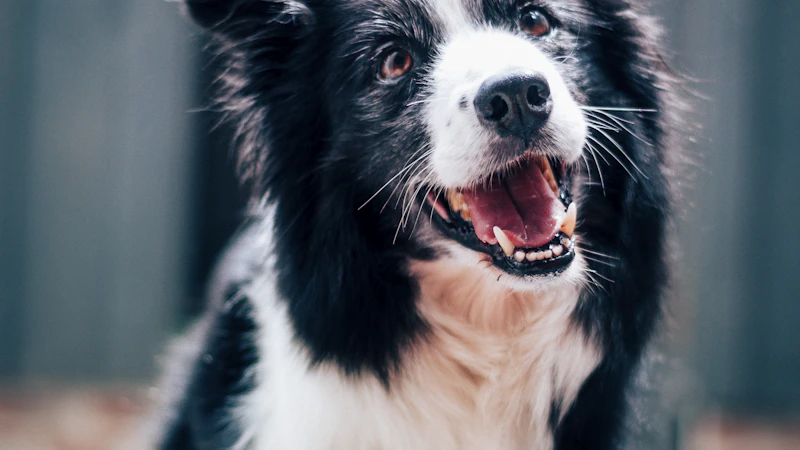
Corgis! With their adorable low-rider bodies, foxy faces, and surprisingly deep barks, it's easy to fall in love with these charming canines. But beneath that fluffy exterior lies a highly intelligent, energetic, and instinct-driven herding dog. Training a Corgi isn't just about teaching 'sit' and 'stay'; it's about understanding their unique heritage and channeling their natural behaviors into productive, positive outlets. At DogTrainingHQ, we advocate for science-based, force-free methods that build a strong bond and mutual respect. Let's dive into how to train your Corgi for a happy, well-adjusted life.
Understanding Your Corgi's Herding Heart: The Why Behind the Nudge
To effectively train a Corgi, you must first appreciate their history. Both the Pembroke Welsh Corgi and the Cardigan Welsh Corgi were bred as 'heelers' – small, agile dogs used to drive cattle by nipping at their heels and ducking under their kicks. This explains many common Corgi behaviors: their tendency to chase moving objects (children, bikes, vacuums), their desire to 'gather' family members, and, most notably, their propensity for nipping at ankles and feet. This isn't aggression; it's an innate, deeply ingrained instinct. Yelling or punishing these behaviors will only confuse and stress your Corgi, potentially leading to fear or more problematic responses. Instead, our goal is to manage the environment and redirect these natural urges into appropriate activities.
Redirecting Nipping and Herding Behaviors Positively
Managing and redirecting your Corgi's herding and nipping instincts is crucial for a harmonious household. The key is consistency and providing appropriate outlets.
- Management is Your Best Friend: For puppies or Corgis prone to excessive nipping, proactive management is vital. Use baby gates to create safe zones, keep your Corgi on a leash indoors when you can't actively supervise, and prevent opportunities for them to practice unwanted behaviors. If guests are over, consider crating your Corgi with a delicious chew or having them on a leash near you to prevent excited nipping.
- Offer Appropriate Alternatives: When your Corgi starts to nip at your heels or clothing, immediately redirect their attention to an appropriate chew toy, a tug toy, or a puzzle toy. Have these items readily available. The moment their teeth touch the toy, offer enthusiastic praise and a small, high-value treat. This teaches them, "When I feel the urge to nip, chewing on this gets me rewards!"
- Structured Play for Herding Instincts: Instead of letting them chase the kids, engage your Corgi in games that mimic herding in a controlled way. Flirt poles are excellent for this, allowing them to chase and 'catch' a lure safely. Fetch, especially with multiple balls, can also satisfy their desire to gather. Enroll in a herding instinct test or a beginner herding class if available and appropriate for your dog, even if just for fun and mental stimulation.
- Teach a 'Go to Mat/Place' Command: This provides a designated calm spot for your Corgi when excitement levels are high. Reward them for settling on their mat with chews or quiet praise. This is invaluable when visitors arrive or during mealtimes.
Taming the Corgi Bark: From Alert to Annoyance
Corgis are known for being vocal. Their history as farm dogs meant they needed to alert their owners to intruders or changes in the environment. While an alert bark is useful, excessive barking can quickly become a nuisance. Understanding why your Corgi barks is the first step toward managing it.
- Common Barking Triggers: Corgis often bark due to boredom, loneliness, attention-seeking, frustration, territoriality (at people or dogs passing by), or excitement.
- Environmental Management: If your Corgi barks at passersby, close blinds or use window film. Play white noise or calming music to muffle outside sounds. If they bark for attention, ignore the barking (as long as it's not an emergency) and reward silence. As soon as they are quiet for a second, mark the behavior with a verbal cue like 'yes!' and reward. Gradually increase the duration of silence required.
- Teach 'Quiet': Pair the word 'Quiet' with the desired behavior. When your Corgi barks, let them bark a few times, then gently interrupt them (e.g., with a 'shhh' sound or a clap) and immediately offer a high-value treat the instant they stop barking. As they get the hang of it, you can introduce the 'Quiet' cue just before they stop barking, and eventually, use it to preemptively ask for silence.
- Increase Mental and Physical Enrichment: A tired Corgi is a quiet Corgi. Ensure they get sufficient physical exercise and mental stimulation through training, puzzle toys, and scent work. A bored Corgi is more likely to bark out of frustration or to seek attention.
- Desensitization and Counter-conditioning: For Corgis that bark at specific triggers (e.g., the doorbell, other dogs), systematically expose them to the trigger at a low intensity while pairing it with something positive (like their favorite treats). The goal is to change their emotional response from alert/anxious to calm/positive.
Smart Commands for a Smart Breed: Beyond the Basics
Corgis are highly intelligent and generally food-motivated, making them excellent candidates for positive reinforcement training. They thrive on learning and problem-solving. Beyond the essential 'sit,' 'stay,' and 'come,' consider teaching commands that specifically address their instincts and energy levels.
- Foundation Commands: Solid 'Sit,' 'Stay,' 'Come,' 'Down,' and 'Leave It' are non-negotiable. 'Leave It' is particularly important for Corgis who might want to 'herd' or mouth objects they shouldn't. Practice these commands in various environments with increasing distractions.
- Reliable Recall: A rock-solid 'Come' command is vital for a dog with herding instincts that might bolt after a squirrel or child. Practice 'Come' frequently in safe, enclosed areas, rewarding generously with high-value treats and praise every single time they return to you. Make coming back the most rewarding thing they can do!
- Loose Leash Walking: Corgis, being close to the ground, are prone to pulling if not taught proper leash manners. Use a front-clip harness for better control and reward them frequently for walking politely by your side with a loose leash.
- Targeting (Nose Touch): Teach your Corgi to touch their nose to your hand or a target stick. This is a versatile command that can be used for polite greetings, guiding them away from trouble, or even moving them into position for other behaviors.
- Trick Training: Corgis love to learn! Teaching tricks like 'spin,' 'weave through legs,' 'roll over,' or 'paw' provides fantastic mental stimulation and strengthens your bond. It's a fun way to channel their intelligence and energy.
Exercise and Enrichment: Fueling the Corgi Mind and Body
Despite their short legs, Corgis are not couch potatoes. They are active, working dogs who need consistent physical exercise and, perhaps even more importantly, significant mental enrichment to prevent boredom-induced behaviors like excessive barking, destructive chewing, or frantic herding.
- Daily Physical Exercise: Aim for at least 60-90 minutes of moderate exercise daily, broken into multiple sessions. This can include brisk walks (on a leash to protect their backs and prevent chasing), structured playtime in a securely fenced yard, or controlled off-leash play in safe areas. Be mindful of their long backs and short legs; avoid excessive jumping or stairs, especially when young, to protect their spines.
- Mental Stimulation is Key: Corgis thrive on having a 'job.' Incorporate daily training sessions (even short 5-10 minute bursts), use puzzle feeders for meals, engage in scent work games (like 'find it' with treats hidden around the house), or try out dog sports like obedience, rally, or even agility (with modifications for their body type).
- Sniffaris: Let your Corgi lead you on walks where they can sniff and explore. This provides immense mental stimulation as they process countless scents.
- Socialization: Positive, controlled exposure to various people, places, and other well-behaved dogs from a young age is crucial. This helps them develop into confident, well-adjusted adults, reducing anxiety-related behaviors.
Training a Corgi is a rewarding journey that requires patience, consistency, and a deep understanding of their unique breed traits. By embracing their herding instincts, managing common challenges like nipping and barking with positive reinforcement, and providing ample mental and physical enrichment, you'll build an incredible bond with your smart, spirited Corgi companion.
Science-Based Training — Brain Training for Dogs →
Frequently Asked Questions
Corgis are highly intelligent and food-motivated, making them generally easy to train with positive reinforcement methods. However, their strong herding instincts and independent nature can present challenges, requiring consistent effort and an understanding of their breed-specific behaviors.
Despite their short legs, Corgis are active dogs requiring 60-90 minutes of moderate physical exercise daily, broken into multiple sessions. Crucially, they also need significant mental stimulation through training, puzzle toys, and enrichment activities to prevent boredom.
Corgis nip at heels due to their strong herding instinct. They were historically bred to drive cattle by nipping at their heels, and this natural behavior can manifest towards people, other pets, or moving objects. It's not aggression but a hardwired part of their breed heritage.