Dachshund Training Guide: How to Train a Stubborn Dachshund
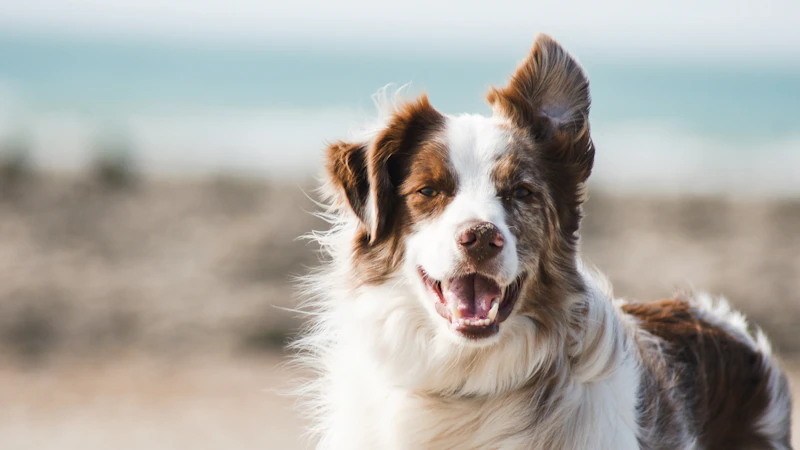
Dachshunds: those long, low, lovable sausages of the dog world! With their distinctive shape, charming personalities, and surprisingly bold spirits, it's no wonder they capture so many hearts. However, many Dachshund owners quickly discover that beneath that adorable exterior lies a dog with a mind of its own – often labeled as "stubborn." If you've ever felt like your Dachshund is determined to do things their way, you're not alone. But here at DogTrainingHQ, we believe that "stubborn" is just a misunderstanding of a highly intelligent, independent, and historically driven breed. This guide will help you unlock your Dachshund's full potential using science-based, force-free methods, transforming perceived stubbornness into a cooperative and joyful training journey.
Understanding the Dachshund Mindset: More Than Just "Stubborn"
To truly train a Dachshund effectively, we first need to understand where their "stubbornness" comes from. These aren't just cute lapdogs; Dachshunds were originally bred in Germany to hunt badgers and other burrowing animals. This job required immense courage, independent problem-solving skills, and incredible persistence to follow prey into tunnels, often out of sight and hearing of their human handlers. They had to make decisions for themselves and stick with them!
What we often perceive as stubbornness is actually a combination of their strong prey drive, independent nature, and keen intelligence. They're not trying to dominate you (a debunked theory with no basis in science); they're simply highly motivated by their own interests, which often involve interesting smells, chasing small critters, or finding the most comfortable sunbeam. Approaching training with this understanding shifts our perspective from battling a defiant dog to guiding a clever, self-reliant companion. Force-free training, which focuses on positive reinforcement, works with their natural instincts, making training a collaborative and rewarding experience rather than a battle of wills. It's about showing them that choosing to cooperate with you leads to fantastic outcomes for them.
Foundation Training: Building a Positive Relationship and Reliable Basics
Every successful training journey begins with a strong foundation built on trust, clear communication, and positive reinforcement. For Dachshunds, this is especially crucial. Start early, ideally during puppyhood, with socialization to various sights, sounds, people, and other friendly dogs. Positive experiences during this critical window help create a well-adjusted adult.
Positive Reinforcement in Practice: Dachshunds are often highly food-motivated, making high-value treats excellent rewards. Think small pieces of cooked chicken, cheese, or specialized training treats. Always pair the treat with verbal praise ("Yes!" or "Good!") or a clicker marker to pinpoint the exact moment your dog performs the desired behavior. Keep training sessions short (5-10 minutes), frequent, and fun to maintain their engagement. If your Dachshund seems disengaged, up the value of your reward or shorten the session.
Basic Cues: Focus on "Sit," "Stay," "Come," and "Down." For "Come" (recall), make it the most rewarding game possible. Practice in a low-distraction environment first, showering your Dachshund with treats and praise every time they come when called. Never punish them for taking their time to come, as this will only teach them that coming to you is associated with something unpleasant. Management is also key: prevent opportunities for unwanted behaviors by puppy-proofing your home and supervising closely. This sets your Dachshund up for success and reduces the need for correction.
Tackling Common Dachshund Challenges with Force-Free Methods
Dachshunds, with their unique traits, often present specific training challenges. Here's how to address them with kindness and effectiveness:
Leash Pulling: Their powerful noses and strong prey drive mean that every walk is an olfactory adventure, often leading to pulling. Traditional choke or prong collars are not only painful and damaging but can also exacerbate fear or reactivity. For Dachshunds, due to their delicate backs and necks, these tools are particularly dangerous. Instead, opt for a front-clip harness. This type of harness redirects your dog's momentum back towards you when they pull, making it physically uncomfortable (but not painful) to pull ahead. Combine this with positive reinforcement: reward your Dachshund with treats and praise every time the leash is slack and they are walking nicely beside you. If they pull, simply stop walking ("Be a Tree") until the leash slackens, then continue. Change directions frequently to keep them engaged with you.
Excessive Barking: Dachshunds were bred to alert their handlers to prey, so barking is deeply ingrained. Identify the triggers: is it people passing by, other dogs, boredom, or attention-seeking? Once you know why they're barking, you can address it. For alert barking, teach a "Quiet" cue: let them bark once or twice, then interrupt with a treat and praise when they stop. Gradually increase the duration they need to be quiet before getting the reward. For boredom, increase mental and physical enrichment. For attention-seeking, ignore the barking (if safe to do so) and reward quiet behavior. Never yell at them to stop, as this can be perceived as you barking along with them!
House Training: Dachshunds can be notoriously challenging to house train due to their small size (small bladder, easy to hide accidents) and sometimes independent nature. Consistency is paramount. Take your Dachshund out frequently – every 2-3 hours for puppies, after waking, eating, and playing. Reward lavishly with treats and praise immediately after they relieve themselves outside. Crate training can be incredibly helpful when used positively, as dogs naturally don't want to soil their sleeping area. Clean any indoor accidents thoroughly with an enzymatic cleaner to eliminate odors that attract them back to the same spot. If accidents persist despite consistent effort, consult your vet to rule out any underlying medical conditions.
Mastering Recall and Impulse Control: Safety and Harmony
A reliable recall ("Come!") and strong impulse control are vital for any dog, but especially for scent-driven Dachshunds who might bolt after an interesting smell. These skills ensure their safety and allow for more freedom in appropriate environments.
Building a Bulletproof Recall: As mentioned, make coming to you the most rewarding thing ever. Practice frequently in varied environments, starting with low distractions and gradually increasing the challenge. Use a long line (a lightweight leash, 15-30 feet long) in a secure, open area to practice recall with more freedom, ensuring safety. If your Dachshund doesn't come immediately, gently reel them in while continuing to use your recall cue, then reward them. The key is to never make coming to you a negative experience. If they're having too much fun sniffing, try making exciting noises or running away from them to spark their chase instinct and encourage them to follow.
Cultivating Impulse Control: Teach "Leave It" and "Drop It" to prevent them from picking up undesirable items or scavenging. "Leave It" can be taught by placing a low-value treat on the floor, covering it with your hand, and rewarding your dog for looking away or disengaging. Gradually uncover the treat, increasing the challenge. "Wait" at doorways or before eating their food helps build patience. These exercises not only keep your Dachshund safe but also strengthen their ability to pause and think before acting on impulse, which is incredibly valuable for a dog with a strong drive.
Enrichment and Mental Stimulation: The Key to a Happy, Well-Behaved Dachshund
Dachshunds are intelligent dogs with active minds, and physical exercise alone isn't always enough to satisfy them. A bored Dachshund is often a "stubborn" or mischievous Dachshund, prone to excessive barking, destructive chewing, or digging. Providing adequate mental stimulation is crucial for their well-being and helps channel their natural instincts in appropriate ways.
Scent Work: Tap into their incredible noses! Scent games, like hiding treats around the house for them to find ("Find It"), or using snuffle mats and puzzle toys, are incredibly enriching. These activities are mentally tiring and satisfying, mimicking their natural hunting behaviors in a safe, controlled environment. Even structured walks can incorporate scent work by allowing them dedicated time to sniff and explore their environment, rather than rushing through a sterile walk.
Puzzle Toys and Chews: Invest in a variety of puzzle toys that dispense treats, requiring your Dachshund to figure out how to get the reward. Long-lasting, safe chew toys also provide an excellent outlet for their natural chewing instincts and can help reduce anxiety or boredom. Rotate toys regularly to keep them novel and engaging.
Training Games: Continue practicing and teaching new tricks and cues. Learning new things keeps their minds sharp and strengthens your bond. Even short, daily training sessions can provide significant mental enrichment. Remember, a mentally stimulated Dachshund is a happier, more cooperative companion, less likely to invent their own (often undesirable) entertainment. By understanding their history and working with their inherent traits using positive, force-free methods, you'll discover that your "stubborn" Dachshund is actually a brilliant, loyal, and incredibly rewarding partner.
Science-Based Training — Brain Training for Dogs →
Frequently Asked Questions
Dachshunds aren't truly stubborn; their perceived stubbornness stems from their history as independent badger hunters. They are intelligent, self-reliant, and highly motivated by their own interests, often following their powerful noses. Understanding this helps us work with their nature, not against it.
First, identify the triggers for their barking (e.g., alert, boredom, attention). Then, teach a "Quiet" cue by rewarding silence after a bark, provide ample mental enrichment like puzzle toys, and ensure they get enough appropriate physical exercise. Avoid yelling, as it can escalate the barking.
A front-clip harness is highly recommended for Dachshunds that pull. It gently redirects their momentum when they pull, making it less comfortable to forge ahead without causing pain or putting strain on their delicate necks and backs. Combine this with positive reinforcement for slack-leash walking.