Dog Afraid of Thunderstorms: A Science-Based Desensitization Plan
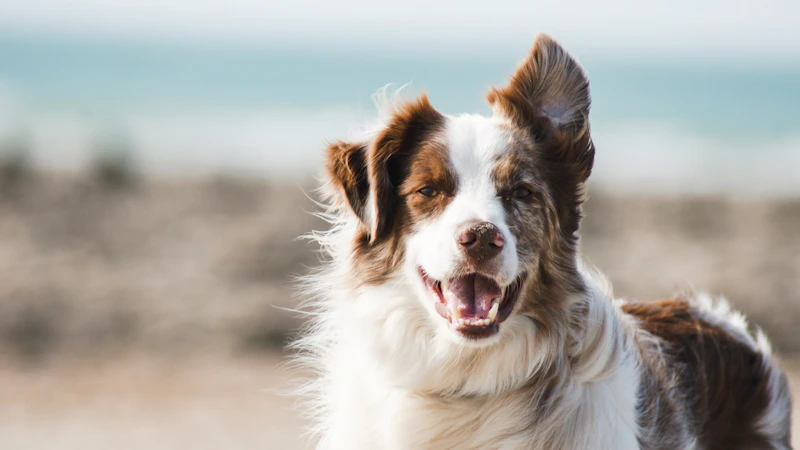
Thunderstorms can be a terrifying experience for many dogs, transforming a peaceful evening into a panic-stricken ordeal. As devoted guardians, it's heartbreaking to watch our furry companions suffer through the booming thunder, flashing lightning, and changes in atmospheric pressure. Fortunately, thunderstorm phobia is a treatable condition, and with a science-based, force-free approach, we can help our dogs learn to cope and even feel safer during storms. This article will guide you through understanding the signs, implementing effective management strategies, and building a long-term desensitization plan.
Understanding Thunderstorm Phobia in Dogs
Canine thunderstorm phobia, or astraphobia, is more than just a slight discomfort; it's a genuine anxiety disorder that can cause significant distress. Dogs don't just react to the loud booms of thunder. Their heightened senses pick up on a multitude of environmental cues that humans often miss, including:
- Auditory Stimuli: Thunder, heavy rain, wind, hail.
- Visual Stimuli: Lightning flashes, changes in light.
- Olfactory Stimuli: The smell of rain, ozone.
- Barometric Pressure Changes: Dogs can sense shifts in atmospheric pressure long before a storm hits.
- Static Electricity: Many dogs, especially those with long or thick coats, can experience painful static shocks before or during a storm, particularly from carpeting.
Recognizing the signs of storm anxiety is the first step toward helping your dog. These signs can range from subtle to severe:
- Mild Anxiety: Pacing, panting, yawning, lip licking, increased vigilance, seeking attention or proximity to owners.
- Moderate Anxiety: Trembling, drooling, whining, barking, hiding (under furniture, in closets), restlessness, inability to settle.
- Severe Anxiety/Panic: Destructive chewing, inappropriate urination or defecation, attempts to escape (breaking through windows, doors), self-inflicted injury, uncontrollable panic, constant vocalization.
It's crucial to remember that these behaviors are fear-driven, not acts of defiance or "bad behavior." Punishing a fearful dog will only increase their anxiety and erode trust, making the problem worse.
Immediate Management Strategies During a Storm
While long-term solutions are vital, knowing how to help your dog in the moment of a storm is equally important. These strategies focus on reducing immediate distress and ensuring your dog's safety:
- Create a Safe Haven: Designate a den-like space where your dog feels secure. This could be a crate (if positively conditioned), a basement, an interior room, a closet, or a bathroom. Make it dark, quiet, and comfortable with blankets, their bed, and familiar toys. Using white noise, classical music, or a fan can help muffle storm sounds.
- Stay Calm Yourself: Dogs are highly attuned to our emotions. If you're anxious or stressed, your dog is likely to pick up on it, which can escalate their fear. Project a calm, reassuring demeanor.
- Comfort Your Dog (If They Seek It): Dispelling an old myth: comforting your dog does not reinforce their fear. Fear is an emotion, not a behavior. If your dog seeks comfort, provide it. Gentle petting, snuggles, or simply allowing them to lean on you can provide much-needed security.
- Distraction (For Mild Cases): If your dog is only mildly anxious, try to distract them with a favorite puzzle toy stuffed with high-value treats, a game of fetch (if they're willing), or practicing simple cues for rewards. For severely phobic dogs, distraction may not be effective.
- Pressure Wraps: Products like the Thundershirt or Anxiety Wrap apply gentle, constant pressure, similar to swaddling a baby. This can have a calming effect on some dogs. Introduce these wraps positively before a storm, pairing them with treats and praise, so your dog associates them with good feelings.
- Static Reduction: Consider using anti-static dryer sheets (unscented) to gently wipe your dog's fur, or apply a pet-safe anti-static spray. Some owners report success with grounding techniques like having their dog lie on a damp towel in a bathroom.
The Core: Science-Based Desensitization and Counter-Conditioning
While management strategies provide immediate relief, desensitization and counter-conditioning are the long-term, force-free solutions that aim to change your dog's underlying emotional response to storms. These techniques work by gradually exposing your dog to storm-related stimuli at a level so low it doesn't trigger fear, while simultaneously pairing those stimuli with highly positive experiences.
- Desensitization: This involves slowly increasing the intensity of the feared stimulus (e.g., sound of thunder) over many sessions, ensuring your dog remains relaxed and below their fear threshold at all times.
- Counter-Conditioning: This is the process of changing your dog's emotional association with the stimulus from negative (fear) to positive (excitement for treats/play). Every time the storm sound is present, something wonderful happens!
The key to success is patience and never pushing your dog past their comfort level. If your dog shows any signs of anxiety, you've gone too far, too fast. Immediately reduce the intensity of the stimulus and return to a level where they are comfortable.
Step-by-Step Desensitization Protocol
This plan requires commitment and consistency, but the rewards of a calmer dog are immeasurable.
- Gather Your Tools: You'll need high-quality recordings of various storm sounds (thunder, heavy rain, wind, hail), a device to play them (phone, speaker), and an abundance of your dog's absolute favorite, high-value treats (e.g., cooked chicken, cheese, peanut butter, hot dogs).
- Find a Quiet Space: Choose a comfortable, familiar room where you can control the environment. This could be your dog's safe haven.
- Baseline Assessment: Play the storm sounds at an extremely low volume – so low you can barely hear it, and your dog shows absolutely no reaction. The goal is for the sound to be irrelevant at first.
- The Training Loop (Short, Frequent Sessions):
- Start the storm sound at your baseline, barely audible volume.
- Immediately begin feeding your dog continuous, high-value treats. Keep the treats coming as long as the sound is playing.
- Praise your dog gently if they are calm and taking treats.
- Stop the storm sound. Immediately stop giving treats.
- Take a short break (a few seconds to a minute).
- Gradual Intensity Increase:
- Repeat the training loop 5-10 times in a session.
- Only when your dog consistently shows no fear and perhaps even a positive anticipation (looking at you for treats) at the current volume, slightly increase the volume.
- If your dog shows any sign of anxiety (e.g., ears twitch, body stiffens, pauses eating treats), immediately stop the sound, reduce the volume significantly, and end the session on a positive note at a lower intensity. Never push through fear.
- Keep sessions short (5-10 minutes) and frequent (1-3 times a day).
- Vary the Stimuli: Once your dog is comfortable with basic thunder sounds, introduce other storm sounds separately, then combine them. You can also incorporate visual stimuli (very dim, distant flashing lights) or even the smell of rain (if you can find a safe way to simulate it) at later stages, always pairing with treats.
- Generalization: Once your dog is comfortable with the sounds in one location, practice in different rooms of the house, and eventually, if possible, in different safe environments.
Complementary Tools and Support
Beyond desensitization, several other tools can support your dog's journey to storm confidence:
- Calming Pheromones: Products like Adaptil (Dog Appeasing Pheromone) diffusers or collars release synthetic pheromones that mimic those produced by a mother dog, which can have a calming effect.
- Nutritional Supplements: Certain supplements containing L-Theanine, Tryptophan, or other calming ingredients can help reduce anxiety. Always discuss these with your veterinarian before introducing them.
- Enrichment and Exercise: A well-exercised and mentally stimulated dog is generally less anxious overall. Ensure your dog gets adequate physical activity and engaging mental games daily.
- A Safe and Predictable Routine: Dogs thrive on routine. A predictable daily schedule can reduce general anxiety, making them more resilient to stressors like storms.
When to Seek Professional Help
For severe cases of thunderstorm phobia, or if you're struggling to make progress with desensitization on your own, it's essential to seek professional guidance. A qualified professional can offer personalized support:
- Veterinary Behaviorist (DACVB): These are veterinarians who have specialized training in animal behavior and are board-certified. They can diagnose complex behavioral issues and prescribe medication if necessary.
- Certified Professional Dog Trainer (CPDT-KA) or Certified Dog Behavior Consultant (CDBC): These force-free professionals can provide hands-on guidance for implementing desensitization and counter-conditioning protocols. Ensure they adhere to positive reinforcement, force-free methods.
- Medication: In some severe cases, anti-anxiety medication prescribed by a veterinarian can be a game-changer. Medication doesn't "cure" the phobia but can lower your dog's overall anxiety levels enough for behavior modification training to be effective. It's often used as an adjunct to training, not a standalone solution.
Helping a thunder-phobic dog requires patience, empathy, and a consistent, force-free approach. By understanding their fear, providing immediate comfort, and systematically working through desensitization, you can significantly improve your dog's quality of life and help them weather any storm with greater peace of mind.
Science-Based Training — Brain Training for Dogs →
Frequently Asked Questions
No, this is a common and outdated myth. Comforting your dog when they're scared provides security and reassurance, strengthening your bond and helping them feel safer. Fear is an emotion, not a behavior that can be strengthened