Dog Aggression Training: Complete Guide to Types and Treatment
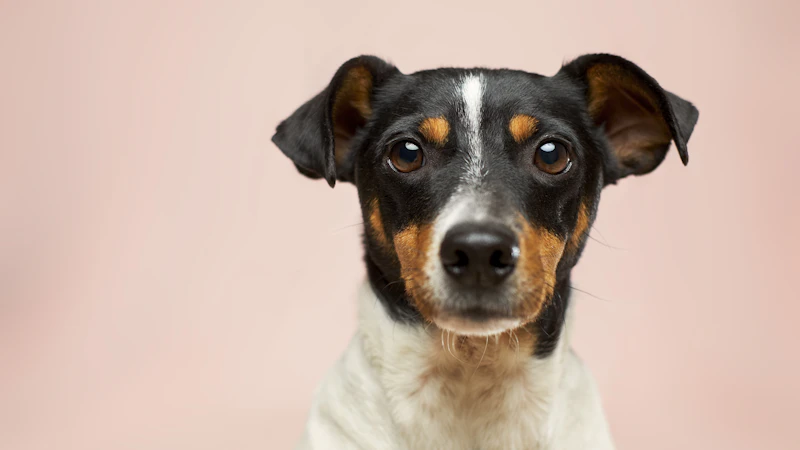
Understanding Your Dog's Body Language
Aggression is rarely a dog's first choice. Before resorting to growling, lunging, or biting, dogs typically offer a wide range of subtle signals indicating their discomfort, fear, or stress. Learning to accurately read these signals is paramount to effective aggression training, as it allows you to intervene and manage situations proactively, preventing your dog from feeling the need to escalate.
Common stress signals include lip licking, yawning (when not tired), head turns, whale eye (where the whites of the eyes are visible), stiff posture, a tucked tail, flattened ears, or moving away. These are not signs of defiance but rather attempts to communicate their internal state. By recognizing these early warnings, you can identify triggers and remove your dog from an uncomfortable situation before their stress reaches a critical point.
Integrate this knowledge into your daily interactions and training. When you observe even subtle signs of stress, it's your cue to increase distance from a trigger, provide a calming activity, or simply allow your dog to disengage. This proactive approach builds trust and teaches your dog that you understand their needs and will keep them safe, reducing their reliance on aggressive displays.
Creating a Predictable and Enriched Environment
A dog's environment plays a significant role in their overall stress levels and propensity for aggressive behaviors. A chaotic, unpredictable, or boring environment can heighten anxiety and reactivity, making it harder for your dog to cope with triggers. Establishing a consistent routine and providing ample enrichment can dramatically reduce underlying stress, creating a more relaxed and resilient dog.
Environmental enrichment involves providing opportunities for your dog to engage in natural behaviors in appropriate ways. This includes puzzle toys for mental stimulation, safe chew items, sniff walks that allow them to explore scents, and structured play sessions. Addressing your dog's need for mental and physical exercise can prevent boredom-induced frustration and reduce pent-up energy that might otherwise be expressed as reactivity.
Beyond enrichment, a predictable daily routine provides a sense of security. Consistent feeding times, potty breaks, and designated rest periods help your dog understand what to expect. Ensure your dog has a safe, quiet space (like a crate or a specific bed) where they can retreat undisturbed. This "safe haven" is crucial for allowing them to decompress and reduces the likelihood of aggression stemming from feeling cornered or overwhelmed.
Building Trust and a Positive Relationship
At the heart of all force-free training, especially when addressing aggression, is the foundation of trust and a strong, positive relationship between you and your dog. Aggression often stems from fear, insecurity, or a perceived need to defend oneself. When your dog trusts you implicitly, they are more likely to look to you for guidance and feel safe in your presence, even when faced with challenging situations.
Building trust means being a consistent, reliable source of good things and never resorting to punishment, fear, or intimidation. Positive reinforcement strengthens your bond by teaching your dog that good things happen when they engage with you and make desired choices. Respecting your dog's boundaries, allowing them to opt-out of interactions, and advocating for their comfort in social situations further reinforces that you are their protector and advocate.
In practice, this means your dog should see you as their safe harbor. They should be comfortable taking high-value treats from you even when slightly stressed, and be willing to disengage from a trigger with your help. A strong, trust-based relationship empowers your dog to feel secure enough to let go of defensive behaviors, knowing you will manage the situation and keep them safe.
Consistency, Patience, and Realistic Expectations
Addressing dog aggression is a marathon, not a sprint. There are no quick fixes, and significant progress requires unwavering consistency and immense patience. It's crucial for every member of the household to be on the same page, adhering to the management strategies and training protocols without exception. Inconsistent application can confuse your dog, undermine progress, and inadvertently reinforce unwanted behaviors.
Expect setbacks along the way; they are a normal part of the learning process. What's important is how you respond to them. Re-evaluate your approach, identify what might have gone wrong, and adjust your plan. Avoid getting discouraged, and remember that every small step forward is a victory. Celebrate moments where your dog chooses a calm response or successfully disengages from a trigger.
Finally, it's vital to have realistic expectations. While many dogs can learn to manage their aggression and live happy, fulfilling lives, the goal is often to reduce the frequency and intensity of aggressive displays, rather than to "cure" it entirely. Some dogs may always require careful management and a structured environment to prevent relapses. Your dedication and understanding are the most powerful tools in helping your dog navigate their world more peacefully.
Aggression is the most serious behavior problem in dogs. It's also the most misunderstood. Most aggression stems from fear, not dominance — and treating it requires addressing the underlying emotion, not just the outward behavior.
Types of Dog Aggression
| Type | Target | Root Cause |
|---|---|---|
| Fear aggression | Strangers, unfamiliar dogs | Fear, poor socialization |
| Resource guarding | Near food, toys, space | Insecurity, competition history |
| Redirected aggression | Handler during trigger exposure | Over-threshold frustration |
| Pain aggression | Anyone who touches sore area | Medical — rule out first |
| Predatory behavior | Small animals, sometimes children | Prey drive instinct |
| Inter-dog aggression | Other dogs only | Poor socialization, fear, or competition |
Rule Out Medical Causes First
New or sudden aggression in a previously non-aggressive dog always warrants veterinary examination. Pain (arthritis, dental disease, ear infections, hypothyroidism) commonly causes or worsens aggression. Treat the medical cause and behavior often improves significantly.
Safety Management: Non-Negotiable
Before any training: prevent the dog from practicing aggression. Every successful aggressive incident reinforces the behavior. Management includes:
- Muzzle training for dogs with bite history (a properly fitted basket muzzle is humane and safe)
- Baby gates, crates, tethers to manage access
- Leash management on walks
- Warning the household and visitors
Treatment: Desensitization and Counter-Conditioning
The core treatment for most aggression types: Many aggressive dogs come from difficult backgrounds — our guide on training rescue dogs addresses the unique challenges that come with rehomed dogs.
- Identify the exact trigger and threshold distance
- Expose at sub-threshold level (dog notices but stays calm)
- Pair trigger with high-value food (change emotional association)
- Gradually decrease distance over weeks/months
Resource Guarding Protocol
The most effective treatment for resource guarding is the Trading Game: approach the guarded item with something better. Dog stops guarding → you give the better thing + return the original item. Dog learns: people approaching means upgrade, not loss. Counter-conditioning is at the heart of aggression rehabilitation — our positive reinforcement training guide explains the mechanics in depth.
When to Get Professional Help
Any bite that breaks skin, aggression toward children, escalating frequency, or aggression without warning signals requires a certified applied animal behaviorist (CAAB) or veterinary behaviorist — not a general dog trainer. Reactivity and aggression often co-exist — our guide on stopping reactivity and barking at strangers covers the earlier-stage protocol before aggression escalates.