Dog Stealing Food: How to Stop Counter Surfing and Table Begging
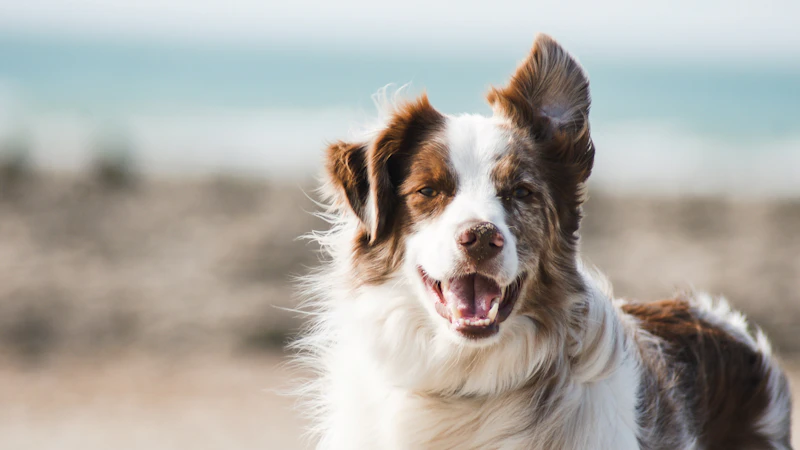
Few things are as frustrating as turning your back for a second only to find your dog’s nose in your dinner plate, or worse, witnessing a daring counter-surfing raid. Not only is it annoying, but it can also be dangerous if your dog gets into foods toxic to them. The good news? This isn't a sign of a 'dominant' or 'stubborn' dog; it's a natural, learned behavior that can be effectively managed and trained using science-based, force-free methods. Let's dive into how you can transform your food-stealing furry friend into a polite, patient companion.
Understanding Why Your Dog Steals Food
To effectively address a behavior, we first need to understand its roots. Dogs are natural scavengers. For millennia, their survival depended on their ability to find and consume available food, whether it was prey or discarded scraps. This instinct is still strong in our modern companions. When your dog sees food left unattended on a counter or table, they're not plotting against you; they're simply acting on an innate drive for an immediate, high-value reward.
Every time your dog successfully steals food, that behavior is reinforced. The taste, the satisfaction, the sheer joy of a forbidden snack – all of this makes it incredibly rewarding. Even if they get a scolding occasionally, the immense reward often outweighs the mild deterrent. They learn that the payoff is worth the risk, or they simply learn to be sneakier! This isn't about disrespect; it's about what works for them. Other factors like boredom, insufficient physical or mental exercise, or even genuine hunger (if their diet isn't appropriate or they're not getting enough) can exacerbate the problem, making them more opportunistic.
Bulletproof Management: Preventing Opportunities for Theft
The absolute cornerstone of stopping food stealing is prevention. Every time your dog successfully steals food, the behavior gets stronger. So, your primary goal is to prevent them from ever practicing the unwanted behavior. This is crucial for their safety and for setting them up for success.
- Clear the Decks: This might sound obvious, but it’s the most overlooked step. Never leave food unattended on counters, coffee tables, or dining tables. Push everything back, put it in the fridge, or cover it securely. This includes dirty dishes with tempting crumbs.
- Secure the Trash: Many dogs are expert trash can divers. Invest in a heavy-duty, dog-proof trash can with a secure lid.
- Close Doors & Use Gates: If you're cooking or eating, use baby gates to keep your dog out of the kitchen or dining area. This is especially helpful during the initial training phase or if you have a particularly persistent counter-surfer.
- Crate Training: If your dog is crate trained, using their crate during meal prep or when you can't supervise them 100% is an excellent management tool. It keeps them safe and prevents them from practicing undesirable behaviors.
- Push in Chairs: A chair pulled out from the table is an open invitation for smaller dogs to jump up and explore. Make it a habit to push all chairs completely under the table.
Consistency is key here. One slip-up can reinforce the behavior, so ensure everyone in the household is on board with these management strategies.
Building Impulse Control: The Foundation of Good Manners
While management prevents the behavior, impulse control training teaches your dog to make better choices when faced with temptation. This isn't about suppressing their natural instincts; it's about teaching them that patience and polite behavior lead to even better rewards.
Start with these foundational exercises:
- "Wait" for the Food Bowl: Instead of immediately putting their food bowl down, hold it at waist height. If your dog jumps or nudges, raise it again. When they sit or stand calmly, lower it a little. Repeat until you can place the bowl on the floor and they wait for a release cue (like "okay!") before eating. This builds patience and self-control around their own food.
- "It's Your Choice" Game: This game teaches your dog that ignoring a tempting item leads to a reward. Hold a treat in your closed fist. Your dog will likely sniff, paw, or lick your hand. Wait. The moment they look away or disengage, say "yes!" and give them a different, even higher-value treat from your other hand. Gradually progress to placing the treat on the floor, covering it with your hand if they try to snatch, and rewarding for disengagement.
- "Stay" Training: Practice "stay" in various locations and with increasing distractions. This helps your dog learn to hold a position despite tempting things around them. Start in a quiet room, gradually add low-level distractions, and build duration and distance.
These games are about making polite behavior rewarding, creating a positive association with self-control. Keep sessions short, fun, and always end on a high note.
Teaching a Rock-Solid "Leave It" Cue
The "Leave It" cue is an invaluable tool for preventing your dog from taking forbidden items, whether it's food on the floor or something potentially dangerous on a walk. This cue teaches them to disengage from an item and focus on you instead.
Here's how to teach a reliable "Leave It":
- Start with Low-Value Items: Begin with a treat your dog likes but isn't crazy about. Hold it in a closed fist.
- Introduce the Cue: Say "Leave It." Your dog will likely try to get the treat. Keep your hand closed.
- Reward for Disengagement: The moment your dog looks away from your hand, even for a split second, immediately say "Yes!" or click and reward them with a much higher-value treat from your other hand.
- Progress to Open Hand: Once they consistently look away, try placing the low-value treat on your open palm. If they go for it, quickly close your hand. Reward for looking away with your high-value treat.
- On the Floor: Place the low-value treat on the floor. Cover it with your foot if they go for it. Say "Leave It." Reward for looking away with a high-value treat.
- Increase Difficulty: Gradually increase the value of the "leave it" item and practice in different locations with increasing distractions. Always ensure your reward for leaving is better than the item they're leaving. The goal is for them to associate "Leave It" with getting something even better from you.
Never let your dog get the item they were told to "leave." This undermines the cue. Always reward for choosing to disengage.
Addressing Table Begging: Consistency and Boundaries
Table begging is a specific form of food stealing where your dog solicits food directly from people at the table. It's often reinforced by well-meaning family members who slip them scraps. To stop table begging, everyone in the household must be on the same page.
- The Golden Rule: No Human Food from the Table, Ever: This is non-negotiable. Even a tiny crumb can reinforce the behavior. If you want to give your dog a safe human food treat, do so away from the table, at a different time, and as part of a training exercise.
- Teach a "Place" Cue: Train your dog to go to a designated mat or bed and stay there calmly during meal times. Start with short durations and reward generously for staying on their "place." Gradually increase the time they need to stay as you eat.
- Redirection: If your dog approaches the table, calmly redirect them to their "place." If they don't respond, use a baby gate or crate them for the duration of the meal.
- Feed Them Separately: Consider feeding your dog their own meal in a different room or at the same time you eat, but in their designated "place." A full belly might make them less inclined to beg.
- Ignore Begging Behavior: Do not engage with your dog when they are begging. No eye contact, no talking, no pushing them away. Any attention, positive or negative, can be reinforcing. Only reward when they are calm and on their "place."
The key here is unwavering consistency. It may take time, especially if begging has been a long-standing habit, but with persistence, your dog will learn that polite behavior away from the table is what gets them rewards.
Beyond Training: Environmental Enrichment and Consistency
While management and targeted training are essential, a holistic approach often yields the best results. A well-exercised and mentally stimulated dog is generally a happier, calmer dog, less prone to seeking out forbidden thrills.
- Adequate Exercise: Ensure your dog is getting enough physical activity for their breed and age. A tired dog is a good dog!
- Mental Enrichment: Engage their brain with puzzle toys, snuffle mats, chew toys, and regular training sessions. These activities can satisfy their natural foraging instincts in appropriate ways.
- Proper Diet: Consult your vet to ensure your dog is on an appropriate diet and receiving adequate calories. Sometimes, a genuinely hungry dog is more likely to steal food.
- Consistency is Paramount: All family members, guests, and anyone interacting with your dog must follow the same rules. Inconsistency will confuse your dog and slow down progress significantly.
- Patience and Positive Reinforcement: Training takes time. Celebrate small victories and avoid punishment, which can damage your bond, create fear, and often doesn't teach your dog what you do want them to do. Focus on rewarding the behaviors you like.
By combining robust management, targeted impulse control exercises, a strong "Leave It" cue, and a commitment to overall well-being, you can effectively stop your dog from stealing food and enjoy peaceful meal times together.
Science-Based Training — Brain Training for Dogs →
Frequently Asked Questions
Dogs are opportunistic and learn quickly. If they've been corrected when you're present, they learn to wait until you're distracted or out of sight, because the reward of the food still outweighs the risk when you're not there to intervene.
No, scolding or punishment is generally ineffective and can be detrimental. It teaches your dog to fear you, not to avoid the behavior, and may just make them sneakier. Focus on management and positive reinforcement for desired behaviors instead.
Consult your vet to ensure their diet is appropriate. Use slow feeders or puzzle toys to make their meals last longer and provide mental stimulation. Increase safe, appropriate chew items and focus heavily on management and impulse control training as outlined in the article.