Senior Dog Training: Yes, You Can Teach Old Dogs New Tricks
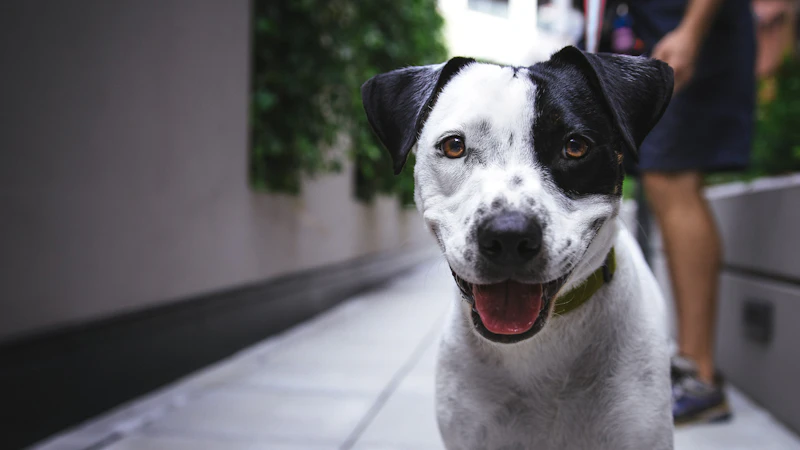
As our beloved canine companions enter their golden years, it's common for owners to assume that their learning days are behind them. However, nothing could be further from the truth! Senior dogs, much like senior humans, benefit immensely from continued mental and physical engagement. With a thoughtful, force-free, and science-based approach, you can absolutely teach old dogs new tricks, reinforce good behaviors, and enhance their quality of life.
Understanding Your Senior Dog's Changing Mind
Just like people, dogs can experience cognitive changes as they age. This isn't a barrier to learning; rather, it's a call for us to adapt our training strategies. Cognitive Dysfunction Syndrome (CDS), often compared to Alzheimer's in humans, can manifest as disorientation, changes in social interaction, altered sleep-wake cycles, and house soiling. While not every senior dog will develop CDS, some degree of cognitive slowing is normal.
From a training perspective, this might mean a reduced attention span, slower processing of new information, or difficulty recalling previously learned cues. The key here is patience, consistency, and breaking tasks into smaller, more manageable steps. Rather than expecting rapid progress, celebrate incremental improvements. Engaging their brains with gentle puzzle toys, short scent games, and reviewing familiar cues can help maintain cognitive function and keep their minds sharp. Remember, mental exercise is just as important as physical activity for overall well-being.
Navigating Physical Limitations with Compassion
Physical changes are an inevitable part of aging, and these must be factored into any training plan. Arthritis, joint pain, decreased vision or hearing, and reduced stamina are common. Ignoring these can lead to discomfort, frustration, or even injury for your dog, making training counterproductive. Always consult your veterinarian to rule out any underlying medical conditions that might be causing pain or discomfort, as effective pain management is foundational to successful training.
When training a senior dog, prioritize their comfort and safety.
- Short, Frequent Sessions: Instead of one long session, opt for multiple 2-5 minute training bursts throughout the day. This prevents physical overexertion and maintains focus.
- Modify the Environment: Use non-slip mats on slippery floors to prevent falls. Ramps can help dogs access beds or vehicles without painful jumping. Ensure training areas are well-lit for dogs with impaired vision.
- Adapt Cues: If hearing is an issue, switch to visual cues or incorporate gentle touch signals. For dogs with poor vision, rely more on verbal cues and scent.
- Low-Impact Exercises: Focus on gentle movements. "Find it" games with treats, slow walks on soft surfaces, or even hydrotherapy (if recommended by your vet) can provide enrichment without undue strain.
Reigniting Their Spark: Motivation and Rewards
A senior dog's motivation might differ from a puppy's boundless enthusiasm, but their desire to connect and learn remains strong. The cornerstone of force-free training is positive reinforcement, and this is especially crucial for older dogs. Pressure, punishment, or frustration will only create negative associations with training, potentially leading to anxiety or shutdown.
To keep your senior dog engaged:
- High-Value Rewards: Discover what truly motivates your dog now. It might be soft, smelly treats, a gentle ear scratch, a favorite squeaky toy (played gently), or calm verbal praise. What they valued as a youngster might have changed.
- Keep it Positive: Every training interaction should be a positive experience. End sessions on a high note, even if it's just for successfully performing a simple, known behavior.
- Avoid Pressure: If your dog isn't responding, don't force it. Re-evaluate your approach, simplify the task, or take a break. Learning should always be a choice, not a command.
- Consistency is Key: Use the same cues and reward system consistently. This helps reinforce learning, especially if their memory isn't as sharp as it once was.
Crafting Age-Appropriate Training Sessions
Training a senior dog isn't about pushing them to their physical or mental limits; it's about providing enrichment, maintaining skills, and teaching new, useful behaviors that enhance their comfort and safety.
- Review and Reinforce: Go back to basics. Practice "sit," "stay," "come," and leash manners. This strengthens existing neural pathways and builds confidence.
- Teach Useful New Behaviors: Consider behaviors that directly improve their quality of life. "Go to your mat" can provide a safe, comfortable resting spot. Cooperative care behaviors like "chin rest" or "paws up" can make vet visits or grooming less stressful.
- Mental Stimulation Games: Scent work (hiding treats for them to find), snuffle mats, and puzzle toys are excellent for engaging their minds without physical strain. These activities tap into their natural instincts and provide immense satisfaction.
- Gentle Body Awareness: If your vet approves, gentle stretches or simple body awareness exercises (e.g., stepping over a low pole) can help maintain flexibility and balance.
Beyond Tricks: Enhancing Their Golden Years
Ultimately, senior dog training extends beyond teaching specific behaviors; it's about nurturing their emotional well-being and strengthening your bond. Continued engagement and mental stimulation can prevent boredom, reduce anxiety, and even mitigate some effects of cognitive decline. The joy of learning, even a simple new trick, can boost their confidence and give them a sense of purpose.
Empathy, observation, and adaptability are your most powerful tools. Pay close attention to your dog's body language to understand their comfort levels and enthusiasm. Adjust your pace, rewards, and expectations as needed. Every successful training session, every shared moment of learning, contributes to a richer, more fulfilling life for your senior companion. Teaching an old dog new tricks isn't just possible; it's a profound act of love that enriches their golden years, proving that age is truly just a number when it comes to learning and connection.
Science-Based Training — Brain Training for Dogs →
Frequently Asked Questions
Absolutely! It's never too late to start positive reinforcement training. Focus on foundational manners, cooperative care, and mental enrichment games, always keeping their physical and cognitive capabilities in mind and consulting with your vet first.
Explore different high-value motivators. This could include soft, novel treats, a gentle massage, a specific soft toy, quiet praise, or a short, favorite activity like a gentle sniff walk. Observation is key to finding what truly excites them now.
Look for relaxed body language, a soft gaze, loose tail wags, and engagement with the rewards. Signs of discomfort or stress include yawning, lip licking, averting gaze, stiffness, or disinterest. If you see these, end the session and reassess.