Training Dogs Around Kids: Building Safety and Good Behavior
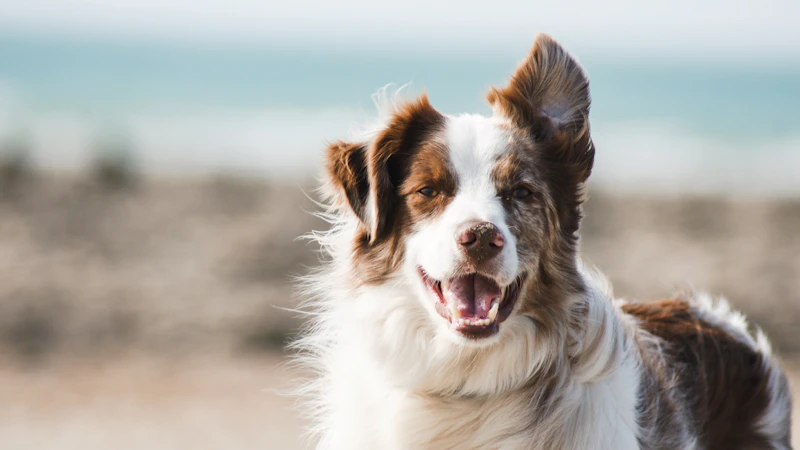
Bringing children and dogs together can be a beautiful experience, fostering bonds of companionship and joy. However, it requires proactive training, management, and a deep understanding of canine behavior to ensure safety and harmony for everyone. At DogTrainingHQ, we believe in building positive relationships through science-based, force-free methods. This article will guide you through practical strategies to train your dog to behave safely and respectfully around children, transforming potential challenges into a foundation of trust and good manners.
Understanding the Dynamics: Safety First
The golden rule for all dog-child interactions is simple and non-negotiable: never leave a dog and child unsupervised, even for a moment. This isn't about distrusting your dog; it's about acknowledging that both children and dogs can be unpredictable. Children, especially toddlers, may not understand appropriate boundaries or canine communication, while dogs, even the most gentle, can react instinctively if startled, hurt, or feeling threatened. Your role as a responsible guardian is to create a safe, predictable environment where positive interactions can flourish under watchful eyes. Management, such as using gates, crates, or leashes, is just as important as training in preventing potential issues and setting your dog up for success.
- Supervision is Key: Always be present and actively engaged when your dog and child are together.
- Create Safe Spaces: Ensure your dog has a designated "safe zone" (a crate, bed, or separate room) where they can retreat and be undisturbed by children. Teach children to respect this space.
- Teach Children Too: Educate children on how to interact respectfully with dogs – gentle touches, no pulling tails/ears, understanding when a dog wants to be left alone.
Mastering Impulse Control: The Foundation of Good Behavior
Impulse control is paramount when dogs and children share a home. A dog who can control their urges to jump, snatch, or chase is a safer and more pleasant companion. We build impulse control through consistent positive reinforcement, teaching your dog to choose calm, appropriate behaviors even amidst exciting distractions.
- "Leave It" and "Take It": These cues are invaluable. Start by placing a treat on the floor and covering it with your hand. Say "Leave It" and reward your dog with a different, high-value treat when they disengage from the covered treat. Gradually progress to uncovered treats, then objects, and eventually, teach them to "Leave It" when a child drops a toy or food. Conversely, "Take It" teaches them to gently take an item when offered.
- "Stay" and "Wait": A solid "Stay" prevents your dog from rushing towards a child or through a doorway. Practice in increasing durations and with increasing distractions, always rewarding your dog for holding their position. "Wait" is excellent for teaching patience before being released for a reward or activity.
- "Go to Mat/Place": This teaches your dog to go to a designated spot and remain there calmly. Start by luring your dog onto a mat, rewarding them generously. Gradually increase the time they stay and the distance you are from them. This is incredibly useful for creating a calm space for your dog when children are active or during mealtimes.
Practice these exercises daily in short, fun sessions. As your dog improves, gradually introduce the presence of children (always supervised) as a distraction, rewarding your dog for maintaining their impulse control.
Preventing Resource Guarding: Sharing and Trust
Resource guarding occurs when a dog perceives a threat to a valued item (food, toys, space, even a person) and reacts defensively. This is a natural canine behavior, but it can be dangerous around children. Our goal is to prevent guarding from developing by teaching your dog that human presence near their resources predicts good things, not loss.
- "Trade Up" Game: If your dog has a valuable toy or chew, approach them and offer an even higher-value treat (e.g., a piece of cooked chicken). When they drop the item to take the treat, praise them and then return their original item. This teaches them that giving up an item results in something better and that your approach is positive.
- Positive Associations with Food: While your dog is eating their meal, occasionally walk by and gently toss a high-value treat into their bowl from a distance. This creates a positive association with your presence during feeding, diminishing the likelihood of guarding. Never reach into a dog's bowl or take it away.
- Manage Resources: Prevent guarding by managing the environment. Feed your dog in a quiet, separate area (like their crate or a different room) away from children. Provide high-value chews or toys when children are napping or out of the house. Ensure children understand not to approach a dog who is eating or chewing.
If you suspect your dog is already resource guarding, consult with a professional force-free trainer immediately. Do not try to "correct" or punish guarding behavior, as this can escalate the problem and suppress warning signals, making interactions more dangerous.
Gentle Greetings: Managing Jumping and Over-Excitement
Jumping on people, especially children, can be overwhelming, frightening, or even cause injury. Teaching your dog to greet calmly with "four on the floor" is essential for respectful interactions.
- Reward Calm Greetings: When your dog approaches you or a child (under supervision), wait for them to have all four paws on the ground. The moment they do, even for a split second, calmly offer praise and a treat. If they jump, turn your back and ignore them. Re-engage only when they are calm.
- "Sit" for Greetings: Actively ask your dog to "Sit" when someone approaches. Reward the sit before the person interacts with the dog. This gives your dog an incompatible behavior – they can't sit and jump at the same time.
- Management During Greetings: Use a leash when children first arrive or are active. This allows you to gently guide your dog into a "Sit" or "Stay" position, preventing jumping and rewarding calm behavior.
- Practice with Distractions: Once your dog reliably greets calmly with adults, gradually introduce children as the "greeters," always supervising closely and setting your dog up for success with a leash if needed.
Consistency is key. Ensure everyone in the household and any visitors follow these rules, so your dog understands that calm greetings are always rewarded.
Decoding Canine Communication: Reading Your Dog's Body Language
Understanding your dog's body language is perhaps the most critical skill for preventing accidents and ensuring safety. Dogs communicate constantly, and learning to interpret their signals allows you to intervene before a situation escalates. Teach your children to recognize these signs too.
- Subtle Stress Signals: Look for early signs of discomfort or stress. These can include lip licking, yawning (when not tired), turning their head away, avoiding eye contact, sniffing the ground, tail tucked low or stiff, whale eye (seeing the whites of their eyes), or a stiff, frozen posture.
- Escalating Warnings: If subtle signals are ignored, a dog might escalate to growling, baring teeth, or snapping in the air. These are crucial warnings that the dog is extremely uncomfortable and needs space. Never punish a growl; it's your dog's way of saying "I need help." Punishing a growl teaches a dog to bite without warning.
- Relaxed vs. Stressed: A relaxed dog typically has a loose, wiggly body, soft eyes, a relaxed mouth, and a tail held in a natural position (wagging or still). A stressed dog will often appear tense, stiff, or try to make themselves smaller.
- Respect Their Space: Teach children that if a dog walks away, hides, growls, or shows any signs of discomfort, they must immediately stop interacting and give the dog space.
Familiarize yourself with dog body language charts and videos. The more fluent you become, the better you can advocate for your dog and keep everyone safe.
Putting It All Together: Consistency and Ongoing Support
Training dogs around kids is an ongoing journey, not a destination. Consistency from all family members is crucial. Regularly reinforce good behaviors with positive reinforcement, and always prioritize management and supervision to prevent problems from arising. Remember that every dog is an individual, and some may require more time, patience, or professional guidance than others. If you encounter persistent challenges or concerning behaviors, do not hesitate to consult a certified professional dog trainer (CPDT-KA) or a veterinary behaviorist who uses force-free, science-based methods. They can provide tailored plans and support to ensure a safe, happy, and harmonious home for your children and your beloved canine companion.
Science-Based Training — Brain Training for Dogs →
Frequently Asked Questions
You can (and should!) start training your dog with basic impulse control and positive associations from puppyhood. Early, positive exposure to children (always supervised and controlled) and consistent training of cues like "Leave It" and "Go to Mat" build a strong foundation for safe interactions.
If your dog consistently shows signs of stress, it's crucial to reduce their exposure to children and seek professional help from a certified force-free dog trainer or veterinary behaviorist. They can help identify triggers, develop a specific behavior modification plan, and ensure your dog's well-being and everyone's safety.
It's rarely too late to train an older dog, though it might take more time and patience. Older dogs can absolutely learn new behaviors through positive reinforcement. The key is to start with management, build positive associations, and implement consistent training, always prioritizing safety and seeking professional guidance when needed.