Clicker Training for Dogs: A Complete Beginner Guide
Choosing the Right Treats
Start with Easy Wins
Begin by clicking behaviors your dog already performs, like sitting or lying down. This quickly builds their understanding of how the clicker works in a training context, reinforcing the click-treat connection effectively.
Practice Your Timing
Focus on clicking the precise moment the desired behavior occurs. Consistent, accurate timing is crucial for clear communication and helps your dog learn faster what they are being rewarded for.
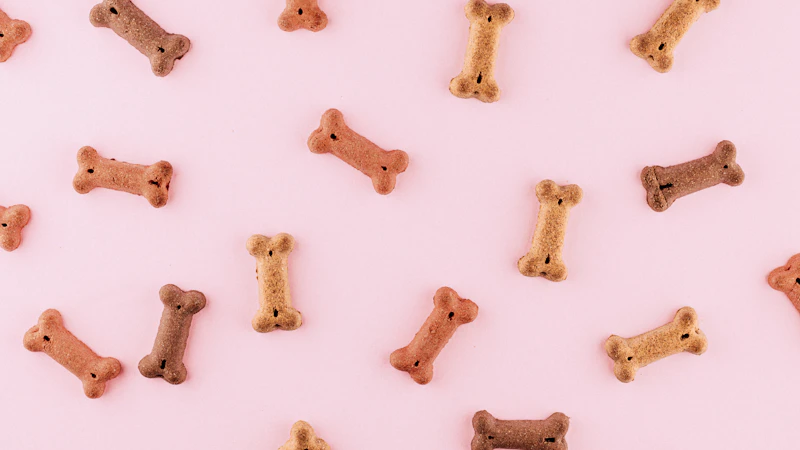
The success of clicker training relies heavily on your dog's motivation, meaning using treats they genuinely value. Opt for high-value, soft, pea-sized rewards like small pieces of cooked chicken, cheese, or specialized training treats. Varying treats keeps your dog engaged, and reserving 'jackpot' treats for challenging behaviors boosts their excitement. Always consider health and calorie intake.
If your dog isn't responding, re-evaluate your treats – are they high-value enough? Try different options to find
A clicker is a small plastic device that makes a distinct clicking sound. In dog training, it serves as a precise event marker — it tells your dog exactly which behavior earned the reward. The precision of the click is what makes it more effective than verbal praise alone.
Why Use a Clicker?
When you say "good boy!" your voice varies in tone, timing, and length. A clicker always sounds the same and you can click the exact moment of the desired behavior. This precision speeds up learning significantly — dogs understand faster what they're being rewarded for.
Step 1: Load the Clicker
Before using the clicker to train, you must condition your dog to associate it with a reward. Click → immediately give a treat. Do this 20–30 times in a session. After loading, your dog should look for a treat every time they hear the click. Test: click when your dog isn't looking at you. If they spin around looking for a treat, the clicker is loaded.
Step 2: Click the Behavior, Not the Dog
The click marks the exact moment of the correct behavior — not before, not after. If you're teaching sit, click the moment their bottom touches the ground. Timing is everything. Late clicks mark the wrong behavior (standing up after sitting).
Step 3: Always Follow the Click With a Treat
The click is a promise. If you click, you must deliver a treat — even if you clicked by accident. Breaking this rule degrades the clicker's meaning. If you're not ready to treat, don't click.
Shaping with a Clicker
Shaping means rewarding successive approximations of the final behavior. To teach "spin," click any turn of the head, then a slight body turn, then a half turn, then a full circle. This is clicker training at its most powerful — teaching complex behaviors without ever luring.
Fading the Clicker
Once a behavior is reliable, you can phase out the clicker and use verbal markers ("yes!"). The clicker remains useful for teaching new behaviors or precision work.
Want a step-by-step training system?
Brain Training for Dogs by certified trainer Adrienne Farricelli covers every behavior — from basics to advanced fixes.
Start Brain Training for Dogs ›Affiliate link — we may earn a commission at no cost to you
Frequently Asked Questions
Do I always need the clicker after my dog learns a behavior?
No. The clicker is a teaching tool, not a permanent requirement. Once the behavior is reliable, you can fade to verbal markers and intermittent food rewards. Keep the clicker for teaching new behaviors.
What if I don't have a clicker?
Use a verbal marker instead — a short, sharp word like 'yes' works well. The key is consistency: always the same word, always followed immediately by a reward. Clickers have an edge in precision but verbal markers work for most training.
Can I use a clicker with a fearful dog?
Some fearful dogs are startled by the clicker sound. In these cases, muffle it with tape, hold it behind your back, or switch to a verbal marker. Never force a fearful dog near something that scares them.
How many times should I click per training session?
Aim for 5–10 reinforcements per minute in a 5-minute session. Frequent, short practice is more effective than rare, long sessions. Each click-treat builds the association and speeds learning.