How to Train a Dog: Complete Beginner's Guide
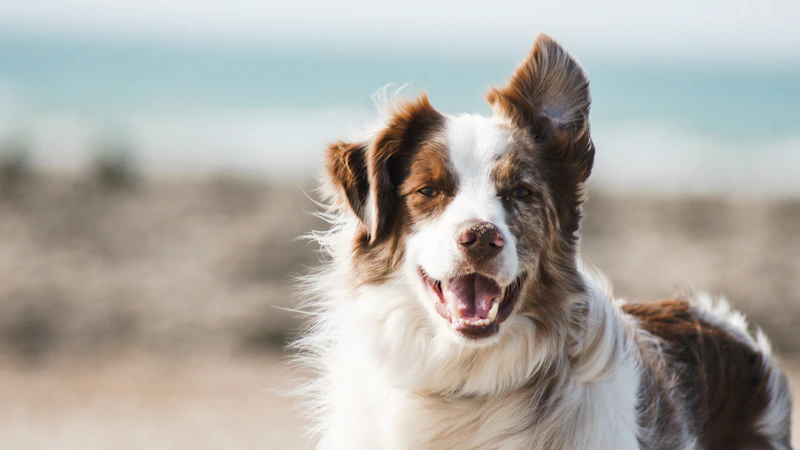
Phase 3 — Generalization & Proofing
Once your dog reliably performs a command in a familiar, quiet environment (Fluency), the next step is generalization and proofing. This phase is about your dog responding consistently to the command regardless of where you are, who is present, or what distractions might be around. It’s what makes a command truly reliable in the real world, whether you're at the park, a friend's house, or a busy street corner.
To achieve this, gradually introduce new environments and distractions. Start with a slightly different room in your home, then move to the backyard, a quiet sidewalk, and eventually busier public spaces. Similarly, slowly add mild distractions like a toy on the floor, another person walking by, or the sound of a doorbell, always setting your dog up for success by starting small and increasing the challenge incrementally.
During this phase, continue to use high-value rewards, especially when working in new, more challenging situations. Consider varying your rewards to keep your dog engaged—sometimes it's a treat, other times it's a quick game of tug or enthusiastic praise. This variable reinforcement helps maintain motivation and strengthens the behavior even when distractions are high.
Essential Tools for Effective Training
Having the right gear can significantly impact the success and enjoyment of your training journey. While elaborate equipment isn't necessary, a few key items will make your sessions smoother and more productive. Foremost are high-value treats; these are small, soft, and incredibly tempting morsels like cooked chicken, cheese, or specialized training treats that your dog rarely gets otherwise.
A clicker is another invaluable tool for positive reinforcement training. It's a small device that makes a distinct sound, acting as a precise marker for the exact moment your dog performs the desired behavior. When paired with a treat, your dog quickly learns that the click means "yes, that's right, and a reward is coming!" This clarity speeds up learning and helps your dog understand exactly what you're asking of them.
Finally, ensure you have a comfortable, well-fitting flat collar or harness and a sturdy leash. These are essential for safety and control, especially when practicing commands in new environments or managing your dog around distractions. Avoid retractable leashes for training, as they offer inconsistent control and can teach your dog to pull.
Navigating Common Training Hurdles
It's normal to encounter challenges during training, and understanding how to address them effectively will prevent frustration for both you and your dog. One common hurdle is a dog who seems easily distracted or loses focus quickly. If this happens, simplify your environment immediately: move to a quieter room, reduce any visual or auditory distractions, and ensure your rewards are truly motivating. Gradually reintroduce distractions once your dog is consistently successful in the simpler setting.
Another frequent issue is a lack of motivation. If your dog isn't eager to participate, re-evaluate your rewards. Are they high-value enough? Try different types of treats or incorporate play as a reward. Sometimes, a dog's lack of motivation can signal discomfort or an underlying health issue, so if changes to your reward strategy don't help, a vet visit might be in order to rule out any physical problems.
Remember that patience is paramount. If your dog isn't getting a command, avoid repeating the cue endlessly or getting frustrated. Instead, break the command down into smaller, easier steps, or go back to a command they already know well to build their confidence. Short, positive sessions are far more effective than long, frustrating ones, so if you both start to feel stressed, take a break and try again later.
Training your dog is the single most important thing you can do for your relationship with them. A well-trained dog is safer, calmer, and genuinely happier — and so are you.
The Foundation: How Dogs Actually Learn
Dogs learn through consequences. Behaviors that produce good things get repeated. Behaviors that produce nothing (or bad things) fade away. This is why positive reinforcement — rewarding the behavior you want — is the most effective training method backed by modern science. For a deeper dive into reward-based methods, see our positive reinforcement training guide.
The old "dominance" approach (alpha rolls, punishment) is not only ineffective, it damages trust and can increase aggression. Every major veterinary association recommends reward-based methods.
The 5 Essential Commands Every Dog Must Know
| Command | Why It Matters | Avg. Time to Learn |
|---|---|---|
| Sit | Foundation of all training, impulse control | 1–3 days |
| Stay | Safety, prevents bolting through doors | 1–2 weeks |
| Come | Emergency recall — could save their life | 2–4 weeks |
| Down | Calming, polite greeting, vet visits | 3–7 days |
| Leave it | Prevents dangerous item ingestion | 1–2 weeks |
The Training Session Formula
Short sessions beat long ones every time. Dogs lose focus quickly — especially puppies.
- Duration: 5–10 minutes per session, 2–3 sessions/day
- End on success: always finish with a command they know well
- One command at a time: don't mix commands in one session
- High-value rewards: use real food (chicken, cheese) not just kibble
The 3 Phases of Learning
Phase 1 — Acquisition: Dog learns what the word means. Use lure-reward method, repeat in quiet environments. Once your dog grasps the basics, our sit, stay, and come command tutorial will walk you through the three most important obedience commands in detail.
Phase 2 — Fluency: Dog responds reliably in familiar settings. Fade the lure, keep the reward.
Phase 3 — Generalization: Dog performs in new places, around distractions. This is the hardest phase and what most owners skip. Not sure which approach fits your dog? our comparison of the best dog training methods breaks down every major technique side by side.
Common Mistakes That Slow Progress
- Using the command word too many times (say "sit" once, then guide — don't repeat it 5 times)
- Training when the dog is tired, hungry, or overstimulated
- Inconsistency between family members (everyone must use the same words)
- Skipping generalization — a dog trained only in the kitchen won't sit at the park
- Punishing after the fact — dogs don't connect delayed punishment to earlier behavior
Ready to Go Deeper?
If you want a structured program that takes you from basics through advanced tricks and behavior fixes, Brain Training for Dogs by certified trainer Adrienne Farricelli is the most comprehensive online dog training course available. Over 300,000 dogs trained.
Start Brain Training for Dogs →