Dog Body Language: A Complete Guide to Understanding Your Dog
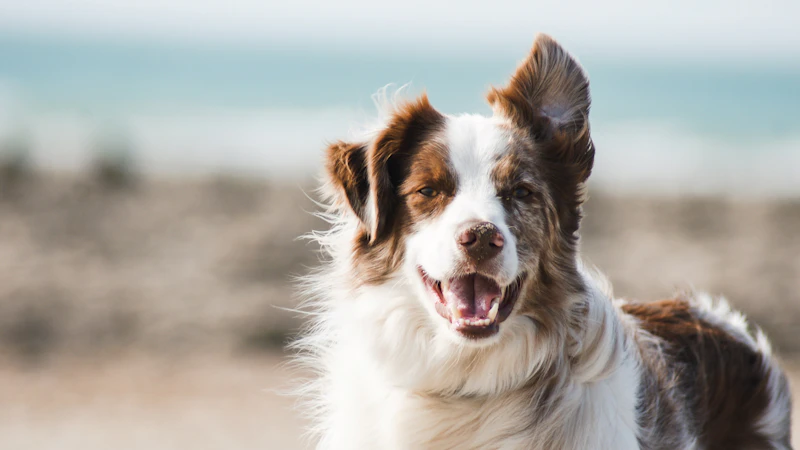
Understanding your dog's body language is like unlocking a secret language, one that deepens your bond and allows for clearer communication. As expert dog trainers at DogTrainingHQ, we believe that truly listening to your dog means observing their subtle (and not-so-subtle) cues. This guide will equip you with the knowledge to interpret your canine companion's signals, fostering a relationship built on trust, respect, and mutual understanding.
The Foundation: Holistic Observation and Context
Before diving into specific signals, it's crucial to understand that no single body part tells the whole story. A dog's communication is a symphony of movements, postures, and expressions. Always observe your dog as a whole – from the tip of their nose to the end of their tail. Furthermore, context is king. A yawn might mean tiredness, or it might be a stress signal if performed during a tense interaction. A wagging tail doesn't always mean happiness. Learning to read your dog effectively means taking in the entire picture and considering the situation they are in.
Tails, Ears, and Posture: The Big Three Indicators
These three elements often provide the most immediate clues to a dog's emotional state.
-
Tail: The tail is a dynamic communicator, and its position, movement, and stiffness are all meaningful.
- Neutral/Relaxed Tail: Often held at a natural height, specific to the breed (e.g., high for a husky, low for a greyhound), with a loose, gentle wag. This generally indicates a calm, content dog.
- High Tail: Held above the natural line of the back. A high, stiff tail can signal alertness, excitement, or even arousal, which might precede confidence or aggression. A high, fast wag can indicate high excitement or anxiety, not always happiness.
- Low Tail: Held below the natural line. A low, slow wag can indicate uncertainty or mild apprehension.
- Tucked Tail: Held tightly between the legs. This is a clear sign of fear, anxiety, or submission. The dog is trying to make themselves appear smaller and less threatening.
- Wagging Tail: While often associated with happiness, a wagging tail simply means the dog is aroused. The speed, height, and breadth of the wag, along with the rest of the body, tell the true story. A broad, loose wag at mid-height usually indicates friendliness. A high, stiff, fast wag can indicate tension or over-excitement, potentially leading to a less friendly interaction.
-
Ears: Ear position can vary greatly by breed, but general principles apply.
- Relaxed Ears: Held naturally, sometimes slightly to the side or back, showing no tension.
- Forward Ears: Alertness, interest, or sometimes a sign of dominance or aggression if accompanied by a stiff body. The dog is focusing on something ahead.
- Flattened Ears (Pinned Back): Often a sign of fear, anxiety, or submission. The dog is trying to appear less threatening or is preparing for a potential conflict.
-
Posture: The way a dog carries their entire body offers significant insight.
- Relaxed Posture: Weight evenly distributed, soft body lines, muscles not tense. This indicates comfort and ease.
- Stiff Posture: Muscles tensed, body rigid, often leaning forward or backward. This is a warning sign of tension, potential fear, or readiness to react.
- Low/Crouching Posture: Body lowered to the ground, head down, possibly avoiding eye contact. This indicates fear, submission, or a desire to escape.
- Play Bow: Front end lowered to the ground, rear end up, tail often wagging. This is an invitation to play, signaling friendly intentions.
- Piloerection (Hackles Raised): Hair standing up along the spine, usually from the shoulders to the tail. This is an involuntary reaction, indicating arousal, fear, or excitement, not necessarily aggression.
Facial Expressions: More Than Just a Smile
A dog's face, though less expressive than a human's, provides critical information, especially around the eyes and mouth.
-
Eyes:
- Soft Eyes: Relaxed, almond-shaped, often with blinking. Indicates comfort and trust.
- Hard Stare: Intense, unblinking, often narrowed. A sign of challenge, threat, or high arousal.
- Whale Eye: The whites of the eyes are visible, often at the corners, as the dog turns their head away but keeps their eyes fixed on something. A clear sign of stress, anxiety, or discomfort.
- Dilated Pupils: Can indicate fear, excitement, or aggression.
-
Mouth:
- Relaxed Mouth: Slightly open, corners soft, tongue may be visible. Indicates a calm, comfortable dog.
- Closed Mouth, Tense Lips: Sign of tension, stress, or discomfort.
- Lip Licking: Often seen as a displacement behavior, a sign of stress, anxiety, or appeasement. It can also be a sign they just ate something delicious, so context is vital.
- Yawning: While it can mean tiredness, yawning out of context (e.g., during a stressful interaction) is a common stress signal.
- Panting (without exertion/heat): Can indicate stress or anxiety.
- Growling/Baring Teeth: These are crucial warning signals. A growl is your dog saying, "I'm uncomfortable, please stop." Baring teeth (often accompanied by a wrinkled muzzle) is an escalation. Punishing these signals removes your dog's ability to warn you, making a bite more likely without warning.
-
Forehead/Brow:
- Smooth Forehead: Relaxed and content.
- Furrowed Brow: Often indicates concern, confusion, or tension.
Recognizing Stress Signals: Your Dog's Plea for Help
Understanding stress signals is paramount in force-free training. These are your dog's attempts to communicate discomfort and avoid conflict. Ignoring them can lead to escalation.
- Lip Licking: A quick lick of the nose or lips, often out of context.
- Yawning: Slow, deliberate yawns when not tired.
- Head Turn/Averting Gaze: Turning the head away or avoiding eye contact.
- Sniffing the Ground: An out-of-context sniff, a way to disengage from a stressful situation.
- Scratching: Sudden, vigorous scratching when not itchy.
- Shaking Off: A full-body shake, like after a bath, but when not wet or recently exercised.
- Sudden Stillness/Freezing: The dog becomes rigid and unmoving, often a precursor to snapping or biting if the stressor doesn't disappear.
- Panting (without heat/exercise): Rapid, shallow breathing.
- Whale Eye: As described above, the whites of the eyes are visible.
- Tail Tuck: A clear sign of fear or anxiety.
- Trembling/Shaking: Can indicate extreme fear, cold, or pain.
- Displacement Behaviors: Any seemingly out-of-context behavior (like sudden grooming or interest in something irrelevant) used to cope with stress.
When you observe these signals, it’s your cue to intervene. Remove your dog from the stressful situation, create distance, or change the interaction. Never punish a dog for displaying stress signals; they are communicating their needs.
Putting It All Together: Practical Application for Dog Owners
Now that you know what to look for, here's how to apply this knowledge in your daily life:
- Observe Your Dog's Baseline: Spend time watching your dog when they are relaxed and comfortable in their familiar environment. This helps you understand their "normal" and makes it easier to spot deviations.
- Watch the Whole Dog: Resist the urge to focus on just one signal. A wagging tail with a stiff body and whale eye tells a very different story than a wagging tail with a loose body and soft eyes.
- Consider the Context: Always ask yourself, "What is happening right now?" A dog panting after a run is normal; a dog panting while being petted by a stranger might be stressed.
- Act on What You See: If you notice stress signals, take action immediately. This might mean:
- Creating distance from a person or dog.
- Stopping an interaction that's making them uncomfortable.
- Providing a safe space for them to retreat.
- Offering a calming activity, like a chew or puzzle toy, if appropriate.
- Reinforce Positive Body Language: When your dog displays relaxed, happy, or confident body language in a desired situation, acknowledge and reward it with praise, a gentle scratch, or a treat.
- Seek Professional Help: If your dog frequently exhibits intense stress signals, growls, snaps, or bites, consult with a certified professional dog trainer (CPDT-KA) or a veterinary behaviorist. They can help you understand the root cause and develop a positive, force-free behavior modification plan.
By becoming fluent in your dog's body language, you're not just understanding them; you're building a stronger, more empathetic relationship, ensuring they feel safe, heard, and loved.
Science-Based Training — Brain Training for Dogs →
Frequently Asked Questions
Not necessarily. A wagging tail indicates arousal, but the specific emotion depends on the tail's height, speed, and the dog's overall body language. A high, stiff, fast wag can signal excitement, tension, or even anxiety, not just happiness.
If you observe stress signals, immediately remove your dog from the situation that is causing their discomfort. Create distance, provide a safe space, and avoid forcing them to interact further, allowing them to decompress.
Growling is a crucial form of communication and a warning signal, not a "bad" behavior to be punished. It tells you your dog is uncomfortable and needs space; punishing a growl can teach a dog to skip this warning and bite without notice.