Dog Eating Poop (Coprophagia): Causes and How to Stop It
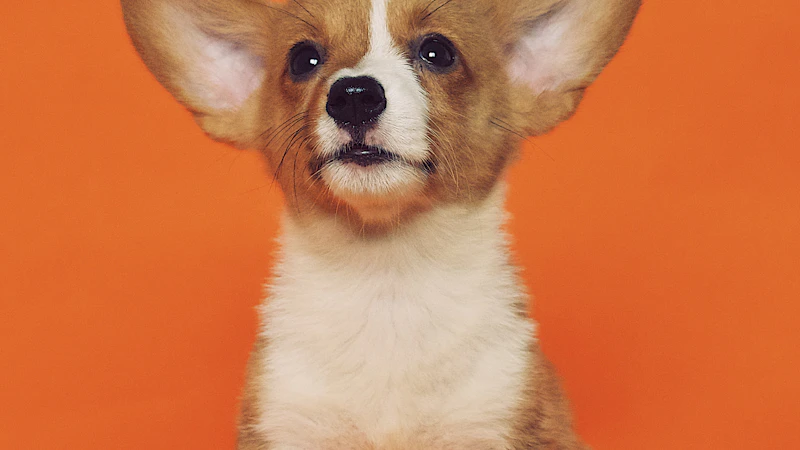
Few things are as unappealing to a human as watching their beloved canine companion snack on a pile of poop. While it might be disgusting to us, coprophagia, the scientific term for eating feces, is a surprisingly common behavior in dogs. The good news is that understanding why dogs engage in this behavior, and approaching it with science-based, force-free methods, can help you manage or even stop it. Let's explore the causes and practical solutions to this less-than-appetizing habit.
Understanding Coprophagia: More Than Just a Bad Habit
Coprophagia refers specifically to the ingestion of feces. While it’s certainly not a desirable behavior for pet owners, it's important to understand that it's often rooted in natural canine instincts. For instance, mother dogs routinely eat the feces of their puppies to keep the den clean and prevent predators from detecting their presence. Puppies, in turn, may mimic this behavior or simply explore the world orally, which sometimes includes stool.
Beyond these natural instances, coprophagia can manifest in various ways: a dog eating its own stool (autocoprophagia), the stool of other dogs, or even the feces of other species, most commonly cat litter box contents or wild animal droppings. The underlying reasons can range from simple scavenging to complex medical or behavioral issues, making a thorough investigation crucial for effective intervention.
Rule Out Medical Causes First
Before implementing any behavioral strategies, it is absolutely essential to schedule a visit to your veterinarian. Coprophagia can sometimes be a symptom of an underlying medical condition, and addressing the root cause is the only way to truly resolve the issue. Your vet will perform a thorough physical examination, likely recommend a fecal analysis to check for parasites, and may suggest blood tests to rule out other internal issues.
Potential medical causes for coprophagia include:
- Exocrine Pancreatic Insufficiency (EPI): A condition where the pancreas doesn't produce enough digestive enzymes, leading to malabsorption and nutrient deficiencies. The dog may eat stool in an attempt to recover lost nutrients.
- Intestinal Parasites: Worms or other parasites can interfere with nutrient absorption, potentially leading a dog to seek additional nutrients from feces.
- Malabsorption Syndromes: Any condition that prevents the proper absorption of nutrients from food can trigger coprophagia.
- Nutrient Deficiencies: While rare in dogs fed a complete and balanced commercial diet, severe dietary deficiencies can sometimes lead to this behavior.
- Chronic Hunger or Calorie Restriction: Dogs on highly restricted diets, or those not getting enough food, may eat stool out of hunger.
- Certain Medications: Steroids, for example, can increase a dog's appetite, potentially leading to coprophagia.
- Underlying Gastrointestinal Issues: Any condition affecting digestion and nutrient uptake could play a role.
Once your veterinarian has given your dog a clean bill of health, or has provided treatment for any detected medical issues, you can then confidently focus on behavioral interventions.
Behavioral Reasons for Eating Poop
If your vet has ruled out medical causes, the behavior is likely rooted in one or more behavioral factors. Understanding these can help you tailor your approach:
- Scavenging Instinct: Dogs are natural scavengers. To a dog, poop can smell interesting and even contain undigested food particles, making it a "treat."
- Boredom or Lack of Enrichment: Dogs who are under-exercised, under-stimulated, or left alone for long periods may eat poop out of boredom or as a form of self-entertainment.
- Attention-Seeking: If a dog learns that eating poop elicits a strong reaction (even negative attention like yelling or chasing) from their owner, they might repeat the behavior to get attention.
- Anxiety or Stress: Dogs experiencing anxiety, stress, or fear may engage in coprophagia as a self-soothing mechanism, similar to how some humans bite their nails. This can be common in dogs from stressful backgrounds or those with separation anxiety.
- Learned Behavior: A dog might learn the behavior from other dogs in the household or during puppyhood, especially if they were raised in an environment where cleaning up feces was common.
- Resource Guarding: Some dogs might "guard" found feces as a valuable resource, eating it quickly to prevent others from taking it.
- Cleaning Up: This is particularly common in puppies who may have been punished for indoor accidents. They might eat their own stool to "hide the evidence" and avoid punishment.
- Taste Preference: Some dogs simply enjoy the taste or texture. Cat feces, in particular, is often highly palatable to dogs due to its higher protein content.
- Incomplete Digestion: If a dog's diet isn't fully digestible, the stool may still contain appealing nutrients or scents.
Effective Force-Free Management Strategies
When addressing coprophagia, management is your first and most crucial line of defense. These strategies focus on preventing your dog from accessing feces in the first place, thus preventing the behavior from being reinforced.
- Immediate Cleanup: This is paramount. Pick up your dog's poop immediately after they eliminate in the yard or on walks. Don't give them an opportunity to eat it.
- Leash Management: Keep your dog on a leash in public areas where other dogs may have pooped. This allows you to guide them away from potential "snacks."
- Yard Patrol: Thoroughly check your yard for any animal feces (from your dog, other pets, or wildlife) before letting your dog out, or supervise them closely while they are outside.
- Litter Box Management: If you have cats, scoop the litter box multiple times a day. Consider a covered litter box or one that is inaccessible to your dog (e.g., behind a baby gate with a cat-sized opening).
- Basket Muzzle Training: For dogs with an extreme or persistent coprophagia habit, positive muzzle training with a well-fitting basket muzzle can be an excellent management tool. It allows them to pant, drink, and even take treats, but prevents them from ingesting feces. Introduce the muzzle gradually and positively, never using it as punishment.
- Supervision: Always supervise your dog when they are in areas where feces might be present.
Training and Enrichment for Long-Term Success
While management prevents the behavior, training and enrichment help to change your dog's underlying motivations and provide alternative, desirable behaviors.
- "Leave It" and "Drop It" Commands: These are invaluable. Teach your dog to "leave it" when they spot feces and "drop it" if they've already picked something up. Practice these commands frequently with low-value items first, gradually increasing the distraction and value of the item. Reward heavily with high-value treats when they comply.
- Strong Recall: If your dog is off-leash in an appropriate area, a reliable recall can call them away from tempting piles.
- Increase Enrichment: Provide plenty of appropriate mental and physical stimulation.
- Mental Stimulation: Incorporate puzzle toys, sniff walks, interactive games, and regular positive reinforcement training sessions into their routine.
- Physical Exercise: Ensure your dog gets adequate daily exercise appropriate for their breed and age. A tired dog is often a well-behaved dog.
- Appropriate Chews: Provide plenty of safe, long-lasting chew toys to satisfy their natural urge to chew and explore with their mouths.
- Positive Reinforcement for Desired Behaviors: Reward your dog for ignoring feces, for coming to you when called, or for engaging with appropriate toys when outside. The goal is to make positive alternatives more rewarding than eating poop.
- Dietary Considerations (Vet-Approved): While anecdotal "poop deterrent" supplements often don't work, discuss your dog's diet with your vet. Sometimes, a change in food quality, a highly digestible diet, or vet-prescribed digestive enzymes (if EPI is diagnosed) can make stool less appealing. Never make dietary changes without veterinary guidance.
- Address Underlying Anxiety: If anxiety or stress is identified as a cause, work with a certified professional dog trainer or veterinary behaviorist to develop a plan to address the root cause of the anxiety using force-free methods.
Consistency is key. It can take time and patience to change a deeply ingrained behavior, but with a consistent force-free approach, you can significantly reduce or eliminate coprophagia.
When to Seek Professional Help
If you've diligently applied the management and training strategies outlined above, and your dog continues to eat poop, it's time to consult with a professional dog trainer or veterinary behaviorist. A certified professional can observe your dog's behavior, assess your specific situation, and develop a customized, force-free plan. Look for certifications such as CPDT-KA (Certified Professional Dog Trainer - Knowledge Assessed), KPA-CTP (Karen Pryor Academy Certified Training Partner), or CDBC (Certified Dog Behavior Consultant).
Remember, your dog isn't eating poop to spite you. They're engaging in a behavior that serves a purpose for them, whether it's hunger, boredom, anxiety, or instinct. With patience, understanding, and the right force-free strategies, you can help your dog overcome this unappealing habit.
Science-Based Training — Brain Training for Dogs →
Frequently Asked Questions
While often not immediately life-threatening, eating poop can expose your dog to intestinal parasites, bacteria like E. coli or Salmonella, and viruses, especially if consuming the feces of other animals. It's best to prevent the behavior to minimize health risks.
Most over-the-counter coprophagia deterrents have limited scientific evidence supporting their effectiveness and rarely provide a complete solution. It's always best to consult your veterinarian before trying any supplements, as they may suggest different dietary adjustments or treatments if a medical cause is suspected.
Coprophagia is more common in puppies as they explore their world orally and may mimic their mother's cleaning behavior. While it's more "normal" in puppies, it's still a behavior to address with management and training to prevent it from becoming a lifelong habit.