German Shepherd Training: Complete Guide
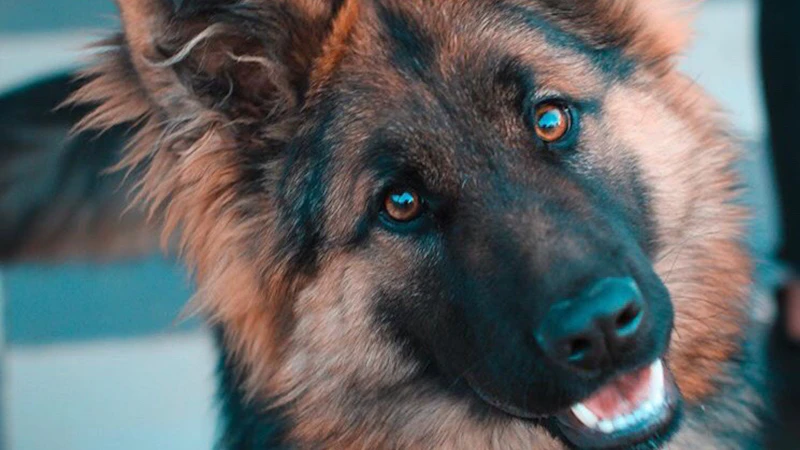
Building a Rock-Solid Recall
A reliable recall is paramount for German Shepherds, a breed with strong prey drive and a tendency to be independent. Start recall training in a quiet, enclosed space with minimal distractions. Use a happy, enthusiastic tone and a special, high-value treat or toy that your GSD only gets for coming when called. Make coming back to you the most rewarding experience possible.
Gradually increase distance and introduce mild distractions as your GSD's recall becomes more consistent. Never use your recall cue to do something unpleasant, like giving medication or ending playtime; this "poisons" the cue. For emergencies, consider teaching a separate "emergency recall" word, reserved only for critical situations and always followed by an extremely high-value reward, like a jackpot of treats or a favorite game.
Addressing Common GSD Challenges
German Shepherd puppies are often mouthy, using their mouths to explore and play. This puppy nipping can be painful due to their sharp teeth. Instead of punishment, focus on redirection: immediately offer an appropriate chew toy when your puppy mouths you. If nipping persists, a brief "time-out" (you temporarily leave the room for 10-20 seconds) can effectively communicate that play stops when teeth touch skin. Consistency is key to teaching bite inhibition.
Excessive barking is another common GSD trait, often stemming from boredom, alert guarding, or demand barking. First, identify the trigger. If it's boredom, increase mental and physical enrichment. For alert barking, teach a "speak" command, then immediately follow it with a "quiet" command, rewarding silence. For demand barking, ignore the barking completely (no eye contact, no talking, no touching) until your GSD is quiet for a few seconds, then reward the silence and give attention. Never inadvertently reward barking by giving in to demands.
German Shepherds rank among the world's most trainable breeds — but that same intelligence means they get bored fast and make their own decisions when under-stimulated. Success comes from mental engagement as much as physical exercise.
Understanding the GSD Temperament
GSDs were bred to work alongside humans all day. They crave a job, clear leadership, and consistent rules. Without structure, they redirect their energy into barking, pacing, or destructive behavior.
- High drive: prey, play, and food motivation are all strong — use all three
- Sensitive: harsh corrections backfire; they shut down or become defensive
- Loyal: builds a strong bond with their primary trainer; use this to your advantage
Week 1–2: Foundation Rules
Start with nothing for free. Every meal, treat, and petting session is earned with a sit, down, or eye contact. This isn't harsh — it's communication. Your GSD will respect you more for it.
Core Commands for GSDs
Place/Go to mat: Teach your GSD to go to a designated mat and stay there. This is the single most useful behavior for managing an excited GSD at the door or during meals.
Heel: GSDs need formal heel training, not just loose-leash walking. Heel means shoulder aligned with your leg, attention on you. Use food luring first, then fade to praise and occasional reward.
Out/Leave it: Critical for a breed with strong prey drive. Train "out" to mean drop anything in the mouth immediately.
Managing High Energy
A 30-minute training session tires a GSD more than a 2-hour run. Combine both: physical exercise first to take the edge off, then 2–3 short (5–10 min) training sessions throughout the day.
Socialization Priority
GSDs are naturally aloof with strangers and protective. Early, positive socialization prevents fear-based reactivity. Expose puppies to men with hats, children, bicycles, and other dogs — always at a distance where the pup is relaxed, not overwhelmed.
Want a step-by-step training system?
Brain Training for Dogs by certified trainer Adrienne Farricelli covers every behavior — from basics to advanced fixes.
Start Brain Training for Dogs ›Affiliate link — we may earn a commission at no cost to you
Frequently Asked Questions
At what age should I start training my German Shepherd?
Start the day you bring them home — 8 weeks for puppies. Basic commands, name recognition, and crate training begin immediately. Formal obedience classes work well from 10–12 weeks.
Are German Shepherds easy to train?
Yes, for experienced trainers. They are highly intelligent and learn quickly, but their independence means you must be consistent and provide enough mental stimulation to keep them engaged.
How much exercise does a GSD need?
Adult GSDs need 2+ hours of physical activity daily, plus mental exercise. Puppies need less — over-exercising growing joints causes long-term damage. Short, frequent sessions are better than one long run.
Why does my German Shepherd ignore me outside?
High distraction outdoors overwhelms dogs trained only inside. Practice in progressively more stimulating environments, always starting at a distance from distractions where your dog can still focus.