What to Teach a Puppy at 8 Weeks
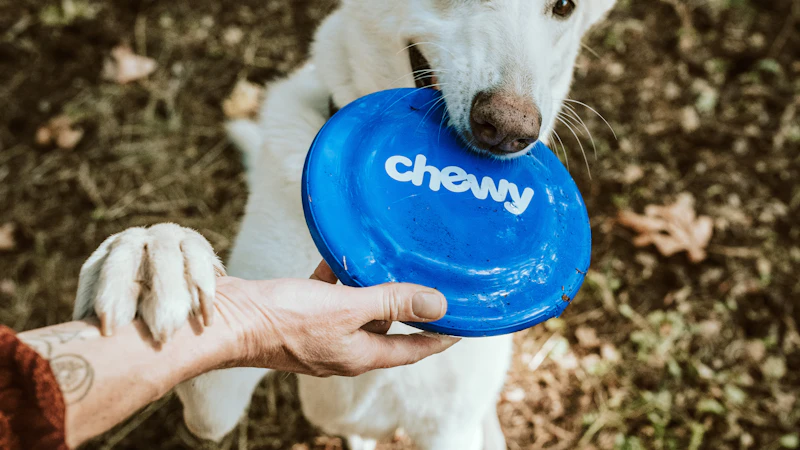
Handling & Body Awareness
From vet visits to grooming sessions and even just daily cuddles, your puppy will need to be comfortable with being touched all over their body. Starting early and making these interactions positive will prevent future struggles and build trust.
During quiet, calm moments, gently touch your puppy's ears, paws, tail, and mouth. The instant your fingers make contact, offer a tiny, high-value treat and soft praise. Keep these sessions very brief – just a few seconds on each body part, then release and allow them to relax. The goal is to create a strong positive association between being touched and receiving something wonderful.
Practice this daily, rotating which body parts you focus on. This isn't about deep cleaning or examination yet, but about building a positive foundation for all necessary handling throughout their life. Always ensure the experience is pleasant and never forced.
Safe Socialization
The period between 8 and 16 weeks is a critical socialization window, but for an 8-week-old puppy with incomplete vaccinations, safety is paramount. Focus on positive, controlled exposure to the world without direct contact with unknown dogs or high-traffic areas where viruses might lurk.
Expose your puppy to a wide variety of sights, sounds, and smells from a distance. This could include short car rides to different locations (observing from inside the car), sitting on a bench in a quiet park (not on the ground), hearing various household noises, or meeting a few calm, fully vaccinated adult dogs in a clean, controlled environment at a friend's home. Ensure all interactions are positive and stress-free.
The key is quality over quantity. Every new experience should be positive and brief. Watch carefully for any signs of stress, such as a tucked tail, lip licking, or yawning, and immediately remove your puppy from the situation if they seem overwhelmed. The goal is to build curiosity and confidence, not fear.
At 8 weeks, the socialization window is wide open and the puppy's brain is primed for learning. But keep sessions tiny — 2 minutes maximum. The goal isn't obedience yet; it's building a foundation of safety, curiosity, and positive human associations.
The First 48 Hours
Your puppy just left everything familiar — their mother, littermates, smells, and sounds. For the first 2 days, focus on:
- Showing them where to sleep (in a crate near your bed, ideally)
- Where to eliminate (outside, same spot every time)
- That your hands bring good things (treats, not punishment)
Don't flood them with visitors, new experiences, or training in the first 48 hours.
Name Recognition
Say their name in a happy voice. The instant they look at you, click (or say "yes") and treat. Do this 20 times across the day, not in one session. Within 3 days, they should look toward you reliably when you say their name.
Sit
Hold a treat at their nose, slowly move it back over their head. Most puppies naturally sit as their nose follows the treat up. The instant bottom touches ground, click/treat. 3–4 repetitions per session, 3x daily.
Crate = Safe Space
Feed all meals in the crate. Toss treats in randomly throughout the day. Let the puppy go in and out freely at first. Only begin closing the door once they go in voluntarily and stay calm. This prevents crate anxiety that develops when puppies are locked in before they're comfortable.
Bite Inhibition
When teeth touch skin: yelp sharply (even if it didn't hurt), immediately stop play, turn away. Resume play after 20 seconds. This teaches them that teeth on skin = fun stops. Be consistent — every family member must follow this rule.
Potty Schedule
Take outside: immediately after waking, after every meal, after every play session, and every 2 hours. At 8 weeks a puppy has almost no bladder control. Accidents are your fault, not theirs. Never scold for accidents — just clean up and improve your supervision.
Want a step-by-step training system?
Brain Training for Dogs by certified trainer Adrienne Farricelli covers every behavior — from basics to advanced fixes.
Start Brain Training for Dogs ›Affiliate link — we may earn a commission at no cost to you
Frequently Asked Questions
How long should training sessions be for an 8-week-old puppy?
2–3 minutes maximum. Puppies at this age have extremely short attention spans. Multiple very short sessions throughout the day are far more effective than one long session.
What should I not do with an 8-week-old puppy?
Don't use punishment of any kind. Don't overwhelm them with too many new experiences at once. Don't let children or visitors handle them roughly. Don't ignore nipping — start bite inhibition immediately.
Can I start crate training at 8 weeks?
Yes — and you should. 8 weeks is the ideal time to start crate training when done positively. A puppy that learns to love their crate early has a safe space for life and is easier to house-train.
How many times does an 8-week puppy need to go out at night?
Typically 1–2 times. At 8 weeks, most puppies cannot hold their bladder more than 3–4 hours at night. Set an alarm to take them out before they cry — this prevents the crying from becoming a learned behavior.